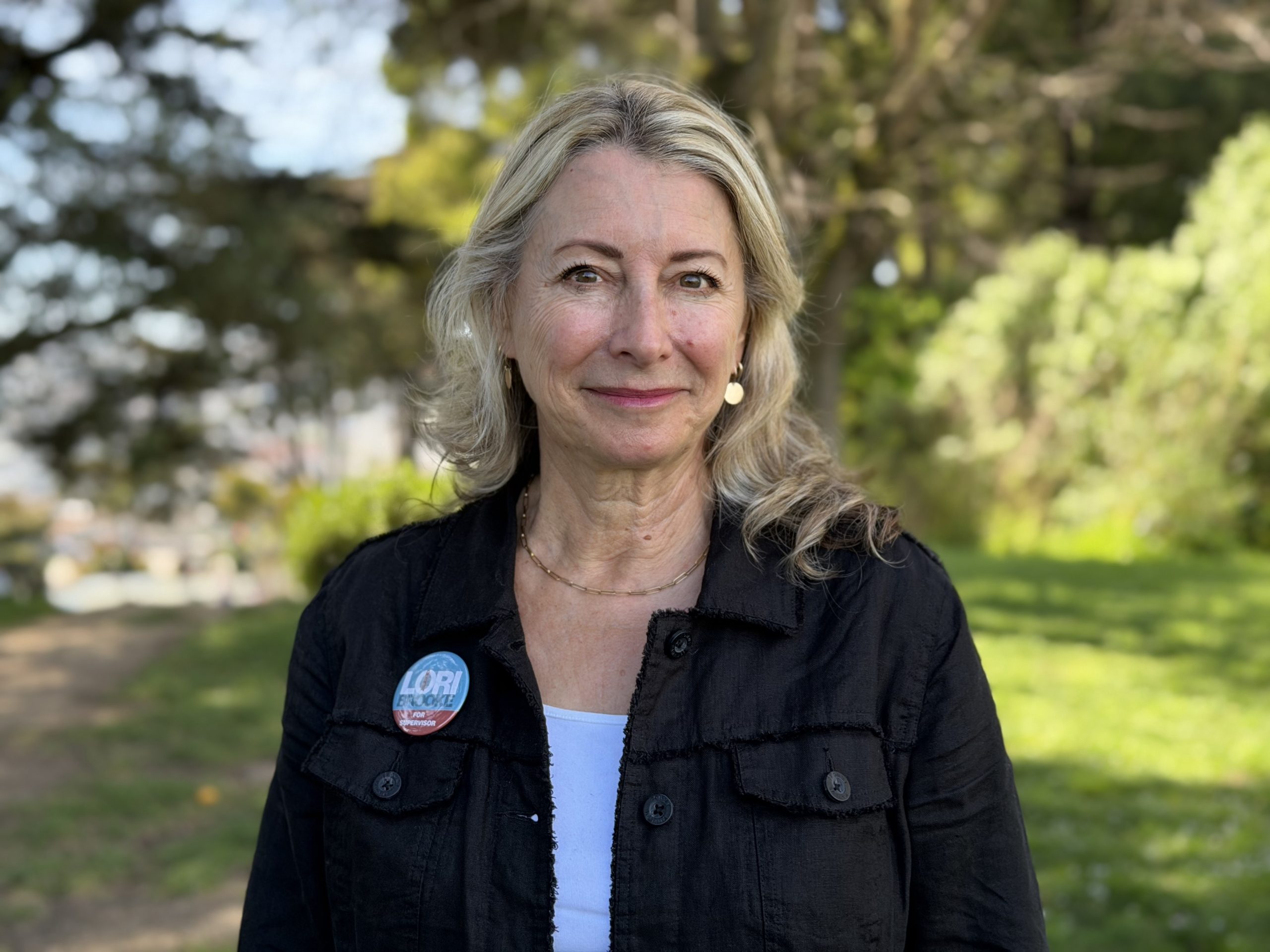
Lori Brooke, the only candidate to seriously challenge Supervisor Stephen Sherrill in District 2 this spring, says she won't run against him again in November — all but guaranteeing the appointed incumbent a full four-year term.
Sherrill beat Brooke 69-31 in the June 2 special election, a lopsided result that already made a rematch a long shot. With Brooke now out, the field thins to candidates with little visible footing in one of San Francisco's wealthiest and most politically idiosyncratic districts. Because June was a special election to fill a vacancy, Sherrill must win again on November 3 to lock in a full term — but he is unlikely to face organized opposition to do it.
Lori Brooke, who finished a distant second to Supervisor Stephen Sherrill in San Francisco's June 2 special election, will not mount a second campaign for the District 2 seat in November, according to a statement reported Thursday by Mission Local.
"While I will not be a candidate in November, I am not going anywhere," Brooke wrote, calling herself proud of the race she ran. "I will continue to advocate for my community, support the issues I care about, and remain engaged in the neighborhoods that I have spent years working to improve."
Her exit removes the only candidate who gave Sherrill a contest this spring. Brooke, a longtime community organizer in the district, ran as an independent voice promising to be responsive to constituents — and positioned herself as a skeptic of new housing development against Sherrill, who is broadly aligned with the city's pro-housing YIMBY bloc. That contrast was the central fault line of the June race.
It wasn't close. Sherrill won by 38 points. He also vastly out-raised her: roughly $1.4 million backed his campaign, including spending by third-party political action committees, according to Mission Local's accounting of the race. Those figures come via Mission Local's reporting rather than an independent review of Ethics Commission filings. Sherrill, appointed to the seat and serving as the sitting supervisor, had also built a reputation for competence at City Hall and tied himself closely to Mayor Daniel Lurie's agenda.
"District 2 made it clear that they want a Supervisor who is focused, responsive, and committed to San Francisco's comeback," Sherrill said in the wake of his win. "I'm excited to get back to work and, hopefully, earn four more years this November."
The math behind that confidence is stark. The November ballot is a do-over required by the special-election rules, not a fresh fight, and the remaining declared candidates are not positioned to threaten an incumbent who just cleared 69 percent. One of them, Nicholas Berg, chairs the San Francisco Republican Party — a tough sell in a city where Republicans are a small minority and, by his own telling, in a district where only about 10 percent of voters are registered with his party.
"One-party rule gave San Francisco lousy results," Berg argues on his campaign website, making the case for an opposition voice on the board.
For now, that case is mostly theoretical. Brooke's decision effectively converts the November contest from a rematch into a formality, handing Sherrill the runway to consolidate a seat he was appointed to and won outright in June. What it does not settle is the housing fight Brooke ran on. She signaled she intends to stay in District 2 politics from outside the ballot — "I am not going anywhere" — leaving open whether the development skepticism that animated nearly a third of June's voters finds another champion before Sherrill faces the electorate again.
The Discussion
Loading…