California's attorney general filed suit Monday to block an unprecedented EPA move that retroactively redefines the state's longstanding clean air waivers as federal "rules" — a legal maneuver critics say is designed to invite rapid congressional repeal of standards that have governed California's skies for decades.
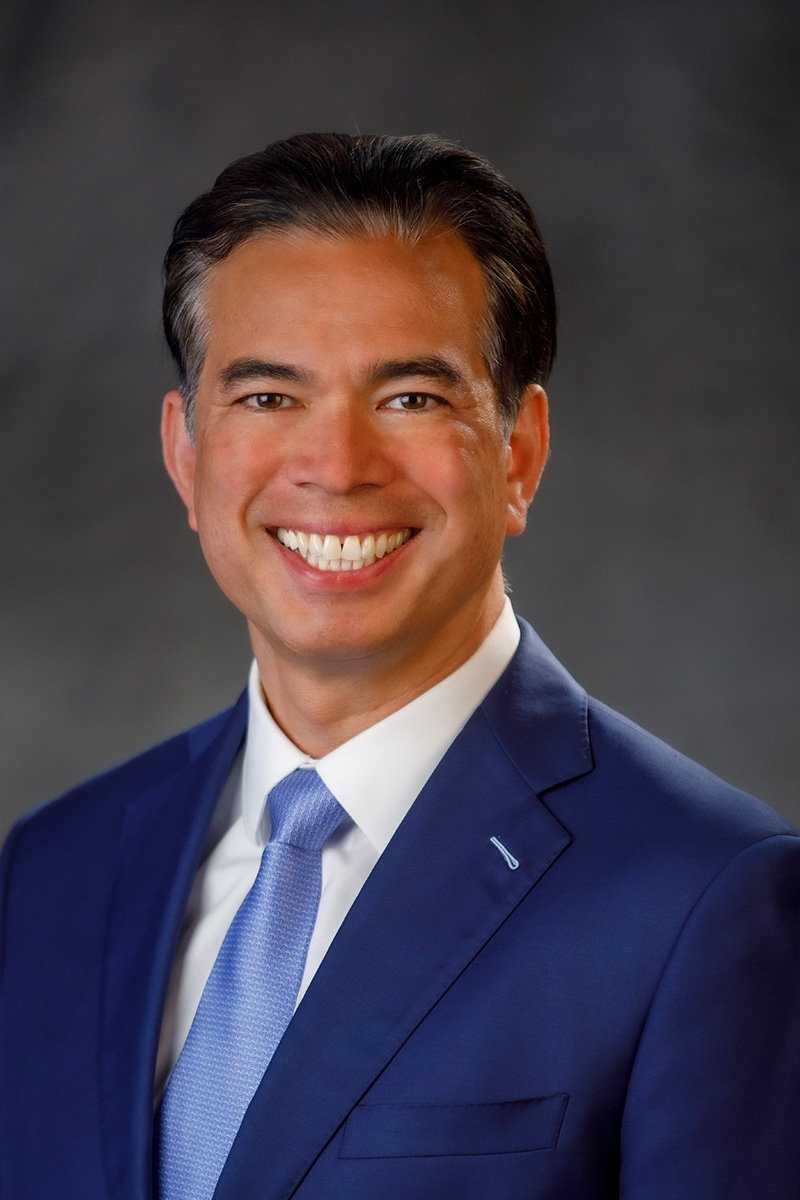
The lawsuit, filed jointly by AG Rob Bonta, Governor Gavin Newsom, and the California Air Resources Board in U.S. District Court in Washington, D.C., challenges an EPA action taken last week that reclassified four Clean Air Act preemption waivers as "rules" subject to the Congressional Review Act. The move is without precedent: in more than 50 years since the Clean Air Act was enacted, preemption waivers have never been treated as rules susceptible to expedited congressional disapproval. If Congress acts under the CRA, California could lose the authority that underpins its stricter vehicle and equipment emissions standards — and, state officials warn, federal transportation funding that Bay Area communities depend on.
The four waivers at the center of the dispute cover a significant span of California's clean-vehicle regime. They include the 2008 greenhouse gas emission standards for passenger cars, the 2012 Advanced Clean Cars I (ACC I) rule, a 2022 Biden-era reinstatement of portions of the ACC I waiver that the first Trump administration had tried to administratively strip, and a 2022 amendment covering small off-road engine emissions. Together, they are the legal foundation that allows California to require cleaner cars and equipment than the federal government mandates.
The EPA originally granted all four as adjudicative "orders" — the standard form for agency decisions that grant or deny permission, a category that also includes oil and gas leases and mining permits. Late last week, the agency quietly recharacterized them as "rules" and transmitted them to Congress, apparently to trigger the CRA's fast-track disapproval process. The CRA allows Congress to nullify executive rules by simple majority vote, with no Senate filibuster.
"For fifty years, both Democratic and Republican administrations have agreed that EPA Clean Air Act waivers are not rules," Bonta said in a statement released alongside the suit. "EPA's unlawful attempt to reclassify them — years after the fact — is an illegal attempt to take down these important tools. These latest illegal actions would mean more pollution, poorer air quality, more market uncertainty, and greater health risks for communities already overburdened by emissions."
California Air Resources Board Chair Lauren Sanchez called the CRA gambit flatly illegal. "Using the Congressional Review Act this way is illegal," she said. "It puts the health of millions of Californians at risk by compromising our ability to meet national air quality standards and could cut off critical transportation funding that our communities and businesses rely on."
That transportation funding angle sharpens the local stakes. Federal highway and transit dollars are conditioned in part on states meeting national air quality standards — standards California's stricter vehicle rules help it achieve. Losing the waivers could force California out of compliance, potentially triggering funding penalties that would ripple through transit systems and road projects across the Bay Area.
California is no stranger to Clean Air Act litigation. The Trump administration sought to revoke the ACC I waiver during its first term, triggering a multi-year legal battle that ended with the Biden EPA's 2022 reinstatement. The current lawsuit targets the newest escalation: rather than challenging the waivers through a formal rulemaking process that would require notice, comment, and legal justification, the EPA is attempting what Bonta's office called an "end-run around administrative procedure" by redefining what the waivers are in the first place.
The lawsuit asks the D.C. district court to declare EPA's reclassification unlawful and block the agency from pursuing congressional disapproval on that basis. No hearing date has been set.
Sources: California Attorney General press release, June 22, 2026; NBC Bay Area, Ginger Conejero Saab, June 22, 2026.
The Discussion
Loading…