A certified ballot initiative to make Alameda County the first place in the country with a $30 minimum wage won't reach voters this November. In a 3-2 vote Tuesday, the Board of Supervisors ordered an economic study instead — a procedural move that could delay the measure until 2028.
Organizers with the Living Wage for All coalition had gathered more than 100,000 signatures — enough for the county registrar to certify the measure as ballot-eligible — but a majority of supervisors invoked the state elections code to commission a study of the wage hike's economic effects first. Supporters who packed the county administration building called the delay a betrayal of the voters who signed; small-business owners who addressed the board urged exactly the caution it delivered. Either way, the question of a $30 floor now moves from the ballot box back into study limbo, even as organizers open a second front inside the city of Oakland.
Alameda County voters won't decide this year whether the minimum wage in the county's unincorporated areas should rise to $30 an hour. On Tuesday, the Board of Supervisors voted 3-2 to conduct an economic study rather than place the certified citizen initiative on the Nov. 3 ballot — a delay that, per reporting by The Oaklandside, pushes any vote to 2028 unless a special election is called in 2027.
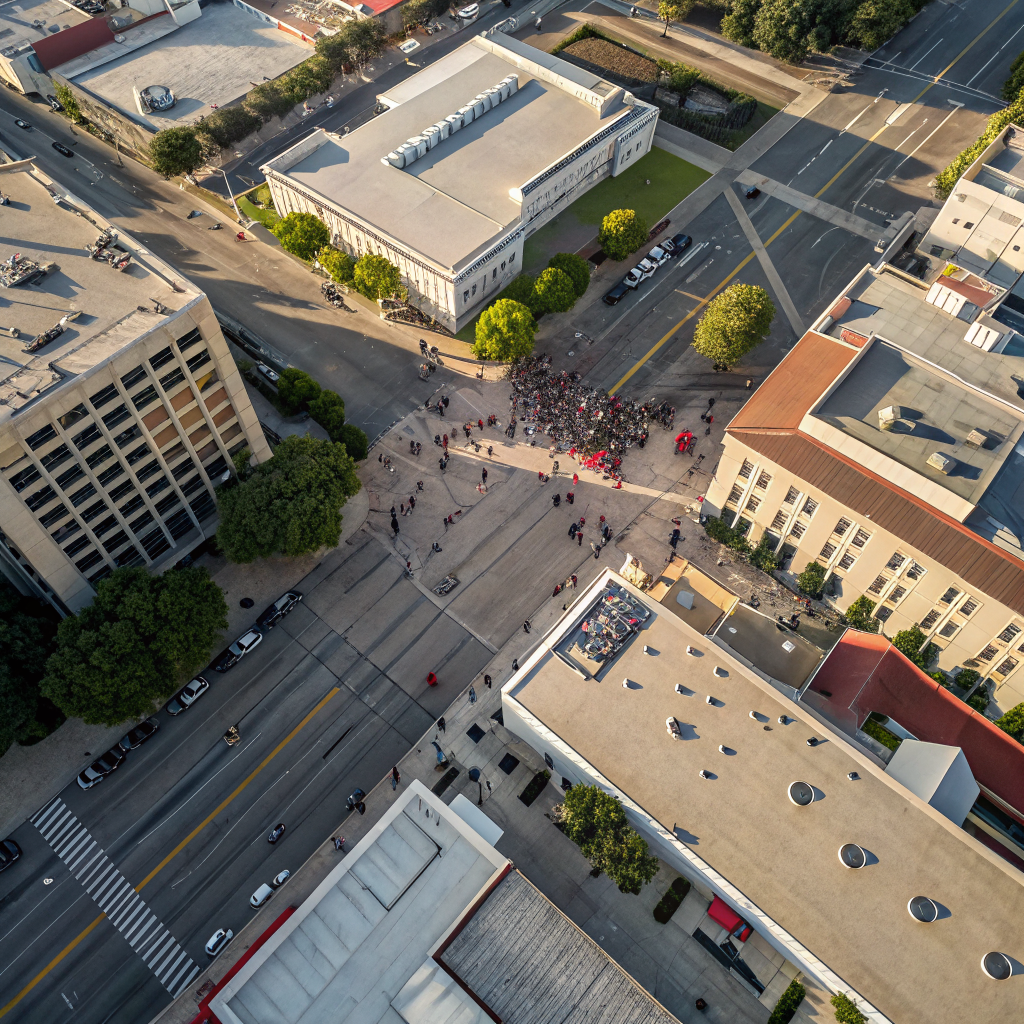
Board President David Haubert, Nate Miley, and Lena Tam voted for the study. Nikki Fortunato Bas and Elisa Márquez voted against it. The split drew audible anger from supporters who had turned out for the measure — a crowd that, according to reader reports of rallies outside the building that morning, gathered before the meeting. Inside the chamber, small-business owners and their allies made the opposing case to the board directly, urging the delay the majority ultimately delivered.
The measure was no fringe effort. Organizers with the Living Wage for All coalition collected more than 100,000 signatures, and the county registrar certified the petition as sufficient to require the board to act. That is what made the study vote so contentious: a majority of supervisors leaned on a provision of the state elections code to review a measure voters had already qualified for the ballot.
"While many people think voters don't know what's in their self-interest, we know damn well what's in our interest," said Zach Norris, co-executive director of the Black Organizing Project, part of the coalition. "This board has no power to stop this from going to the ballot."
Bas, the lone supervisor to speak against the delay on those grounds, agreed. "The people who signed the petition believed they were placing this on the ballot in November," she said. "I believe we should honor the will of these voters and place this on the ballot in November."
Haubert framed the study as due diligence, not obstruction, saying he had heard enough "to know that we don't know what we don't know." He wants the county to examine whether a $30 floor would drive inflation, small-business closures, or job losses. "When all prices go up, retailers make a margin — if you raise by a dollar, they're going to raise by $1.30 or $1.50," he said.
Business owners echoed him at the meeting. "I think about a 77% increase in the minimum wage would directly result in my inability to increase employee hours and definitely not hire additional employees," said Timothy Morgan, who runs a family business, urging the board to study the impact before acting.
If it ever passes, the coalition's measure would make Alameda County the first jurisdiction in the U.S. with a $30 minimum wage. It would require employers with 100 or more workers and more than $1 billion in annual gross revenue to reach $30 by 2030, with smaller employers given until 2035. California's statewide minimum — the current floor in unincorporated Alameda — is set to rise to $17.40 in 2027.
Organizers aren't waiting on the county. Activists said they submitted 109% of the required signatures Monday to put the same $30 proposal before voters in the city of Oakland, where the minimum wage is currently $17.34; the registrar has not yet verified that petition. Saru Jayaraman, president of One Fair Wage, which helped organize the drive, said she has spoken with supportive members of the Oakland City Council.
Miley, for his part, left open the possibility of a competing county measure. If the requested analysis exposes weaknesses in the citizen initiative, he said, he may work with county officials on an alternative "more palatable to the broader portion of our society" — a scenario that could give voters two rival wage measures whenever the question finally reaches a ballot.
The Discussion
Loading…