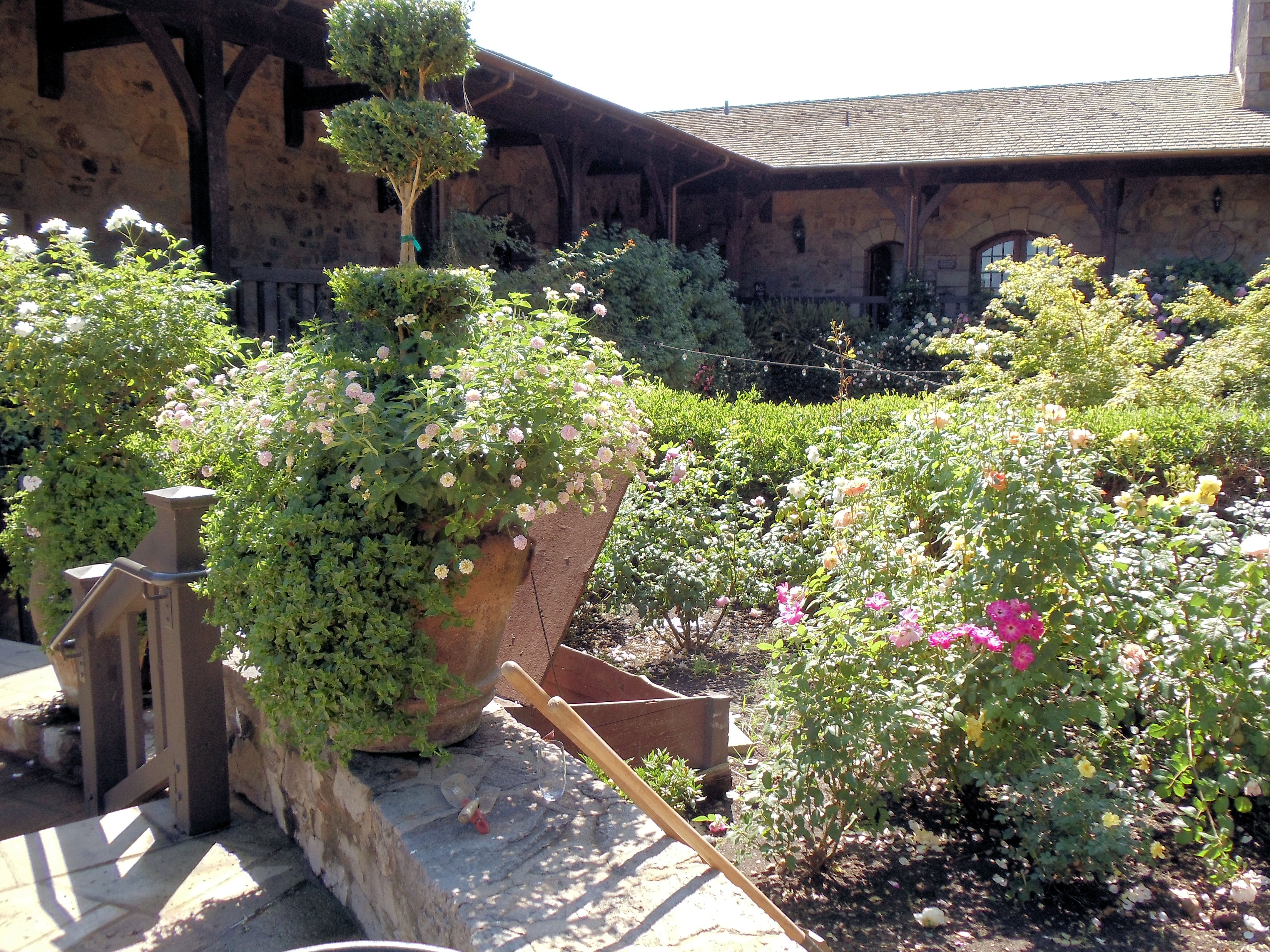
V. Sattui Winery in St. Helena now offers a complimentary three-wine flight on Tuesdays, Wednesdays, and Thursdays — a concrete move that lands as new industry data shows 29 percent of Napa wineries cut tasting fees in 2025, the highest rate of any major American wine region.
V. Sattui Winery, one of the most-visited tasting rooms on the Highway 29 corridor in St. Helena, is now offering a complimentary three-wine flight on Tuesdays, Wednesdays, and Thursdays — no purchase required, reservation recommended, available from 9:30 a.m. to 6 p.m. The winery, which traces its lineage to 1975 when Dario Sattui revived his great-grandfather Vittorio's operation after Prohibition had shuttered it for decades, still charges $45 for its Mercato seated tasting and $55 for its outdoor Premier and Terrace experiences any day of the week. The free midweek flight sits alongside those options as a lower-barrier entry point.
It's a small move at one winery. But it lands in the middle of the most significant pressure Napa's tasting-fee model has faced in years.
Silicon Valley Bank's June 2026 wine report — authored by Rob McMillan, who tracks 363 wineries nationally — found that 29 percent of Napa Valley wineries reduced their tasting fees in 2025, the highest rate of any major American wine region. The average standard Napa tasting now costs $79 per person; a reserve experience averages $125. The national comparables are $39 and $70. Napa's standard fee has climbed roughly 37 percent since 2021, when the same seat cost about $59. And the demand hasn't kept up: tasting-room reservations across tracked Napa properties declined 2.1 percent year over year from December 2024 through March 2026. Wine club membership fell 4 percent in 2025 — an average of 86 members lost per winery — a material hit in a business where tasting rooms and wine clubs together account for 53 percent of the average winery's total revenue. Visitor spending dropped from a 2023 peak of $2.5 billion to $2.08 billion last year. International arrivals are down sharply: Canada off 26 percent, Germany 12 percent, France 7 percent. McMillan's read in June: "Stabilization is not recovery. There's no indication of a return to improving demand."
The cost pressures that drove fees upward haven't reversed. Insurance premiums have surged valley-wide following successive fire seasons — Schramsberg Vineyards saw its annual premiums rise from $200,000 to $800,000 after the 2020 Glass Fire, as Robb Report documented in 2021, with deductibles jumping simultaneously from $25,000 to $500,000. Hospitality wages start at $18 an hour with bonuses reaching $30 or more. Lee Hudson of Hudson Vineyards told the Press Democrat in April that his tasting fee went from $65 to $95 in a single year. The squeeze is structural on both sides: operators can't absorb costs without raising prices, and the visitor who runs the math on $110 for two people before they've bought a bottle is now comparison-shopping from the car.
The competition is easy to find. Paso Robles averages $24 for a standard tasting; Sonoma averages $38. In August 2023, Linne Calodo Cellars in Paso Robles cut its base fee from $40 to $20 — Wine Industry Advisor reported the move as a deliberate push to promote access for newer wine drinkers. The geography of cheap alternatives is no longer abstract.
Whether V. Sattui's free weekday offer is a temporary promotion or a longer-term hedge, it represents one of the valley's best-known rooms lowering a rope to the visitor who blinked at $55 and scrolled on. Nearly a third of the valley is already bending on price. The question the SVB data doesn't answer — and that V. Sattui's Tuesday numbers eventually will — is whether lowering the entry point actually fills the room, or just trades revenue for traffic.
The Discussion
Loading…