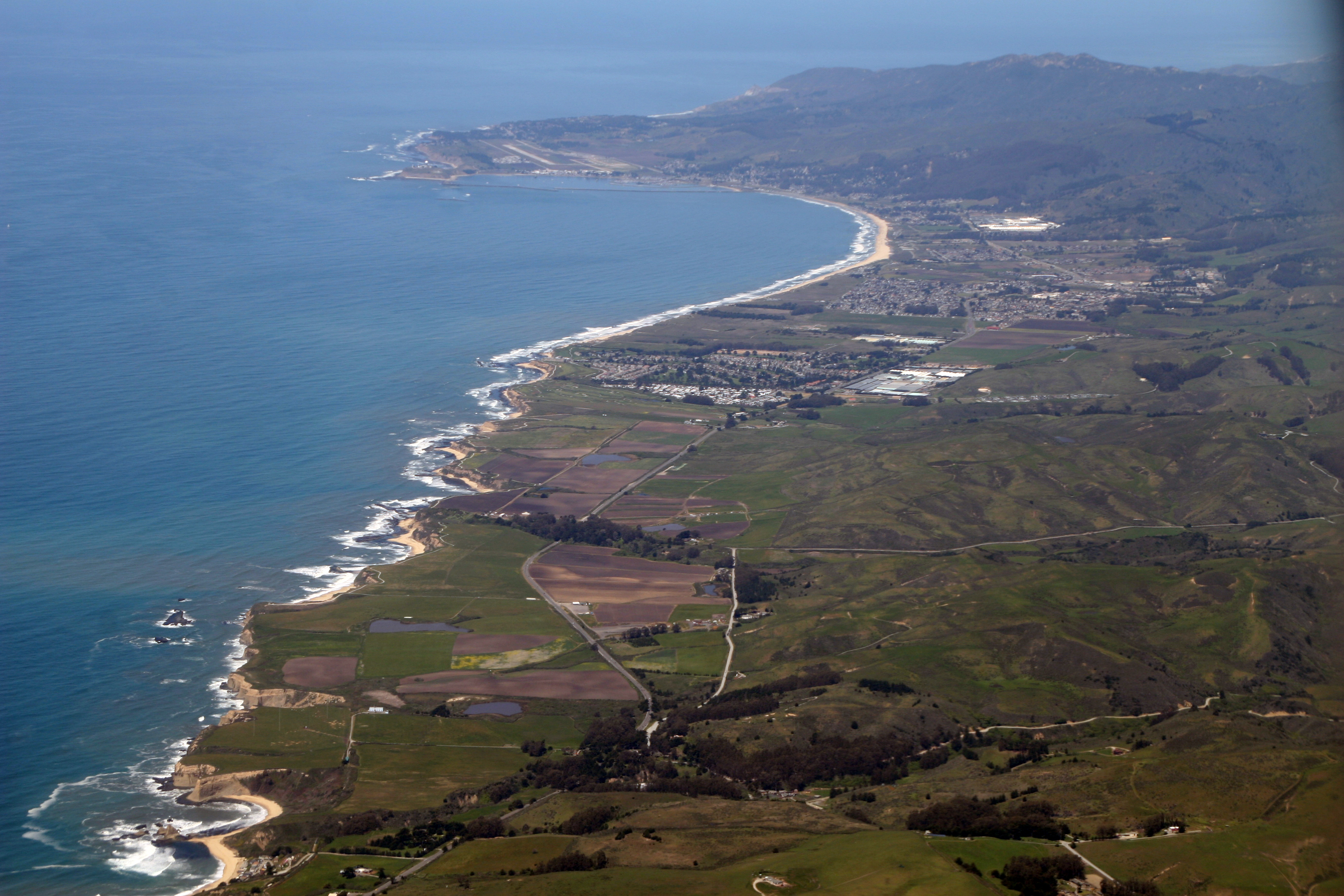
SF Standard's July 3 dining guide positions Half Moon Bay as a serious dining destination, reflecting media attention shifting to Coastside restaurants as SF operators face rising costs.
The SF Standard published a comprehensive guide to Half Moon Bay's dining scene July 3, positioning the Coastside as San Francisco's "little Narnia" for food obsessives seeking escape from the city. The piece by Deputy Food Editor Lauren Saria spotlights Breakwater Barbecue owner Wyatt Fields, who tells the Standard that "a lot of people are trying to get out of the city, and Half Moon Bay just became their little Narnia."
The guide frames towns like Moss Beach, El Granada, and Half Moon Bay as an underappreciated Bay Area enclave with world-class barbecue, seafood shacks, and distilleries. Fields, a Coastside native who moved his 6-year-old Michelin Guide-listed barbecue spot last spring from a former brewery to its current location across from Pillar Point Harbor, anchors the story as a local who left for San Francisco before returning home.
Also featured is Dad's Luncheonette, housed in a vintage train caboose and run by Scott Clark, former chef de cuisine at Saison. The Standard's coverage represents increasing city media attention to the Coastside dining scene, which sits just over an hour south of San Francisco but operates in what the piece describes as "another world away" from Silicon Valley.
The timing matters. As San Francisco's mid-tier restaurants face mounting economic pressures—minimum wage up 20% since 2019, healthcare costs projected to rise 31% by 2025, and insurance and utility costs surging—media outlets are increasingly looking outside the urban core for stories about sustainable restaurant models. Fields' barbecue operation, which Eater SF called a "superstar barbecue joint" worth the drive, represents the kind of focused, owner-driven concept that city media finds compelling right now. The Standard's treatment of Half Moon Bay not as a daytrip destination but as a serious dining corridor signals how the Bay Area's food geography is expanding beyond traditional urban cores.
The Discussion
Sign in to join the discussion.
Loading…