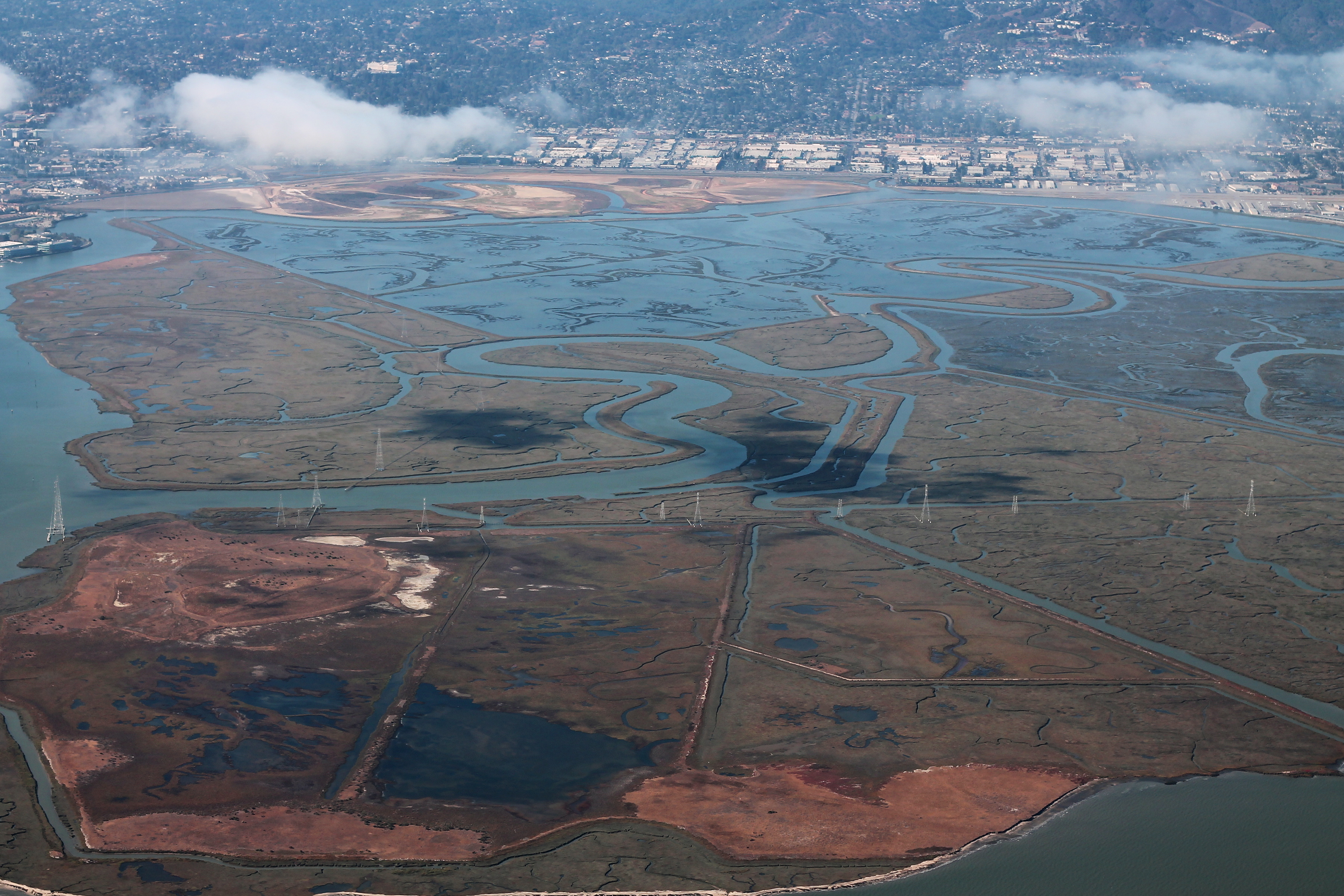
Look, we get it. San Francisco is great — the fog, the $7 coffee, the mysterious substances on BART seats. But sometimes you need to breathe actual ocean air without dodging e-bikes on the Embarcadero. Enter Half Moon Bay, the sleepy coastal town just over the hill that keeps quietly stealing San Franciscans' weekends.
For the uninitiated, Half Moon Bay sits about 30 miles south of the city, tucked behind the Santa Cruz Mountains on the San Mateo County coast. It's the kind of place where people still wave at each other from their cars and the biggest controversy is whether the pumpkin festival has gotten too commercial. (It has, but the pumpkins are still incredible.)
Here's what makes it interesting from a fiscal perspective: Half Moon Bay has managed to preserve its small-town character largely by not doing what San Francisco does. They haven't blown their budget on flashy municipal programs that deliver nothing. They haven't tried to be everything to everyone. They've kept things simple — maintain the coastline, support local agriculture, don't over-regulate the charm out of existence. It's almost like restraint works.
Of course, the town isn't without its challenges. Housing costs have crept up as remote workers discovered you can take Zoom calls with an ocean view. Highway 92 — the main artery connecting Half Moon Bay to the peninsula — remains a white-knuckle, two-lane bottleneck that turns a 30-minute drive into an hour-plus ordeal on weekends. Infrastructure investment there has been glacial.
But that's kind of the trade-off, isn't it? Less government involvement means fewer headaches and fewer highway expansions.
If you haven't made the drive lately, do yourself a favor. Grab some fish tacos, walk Poplar Beach, and remember what a California town looks like when it isn't trying so hard. Just leave early — that highway doesn't care about your dinner reservations.
The Discussion
Loading…