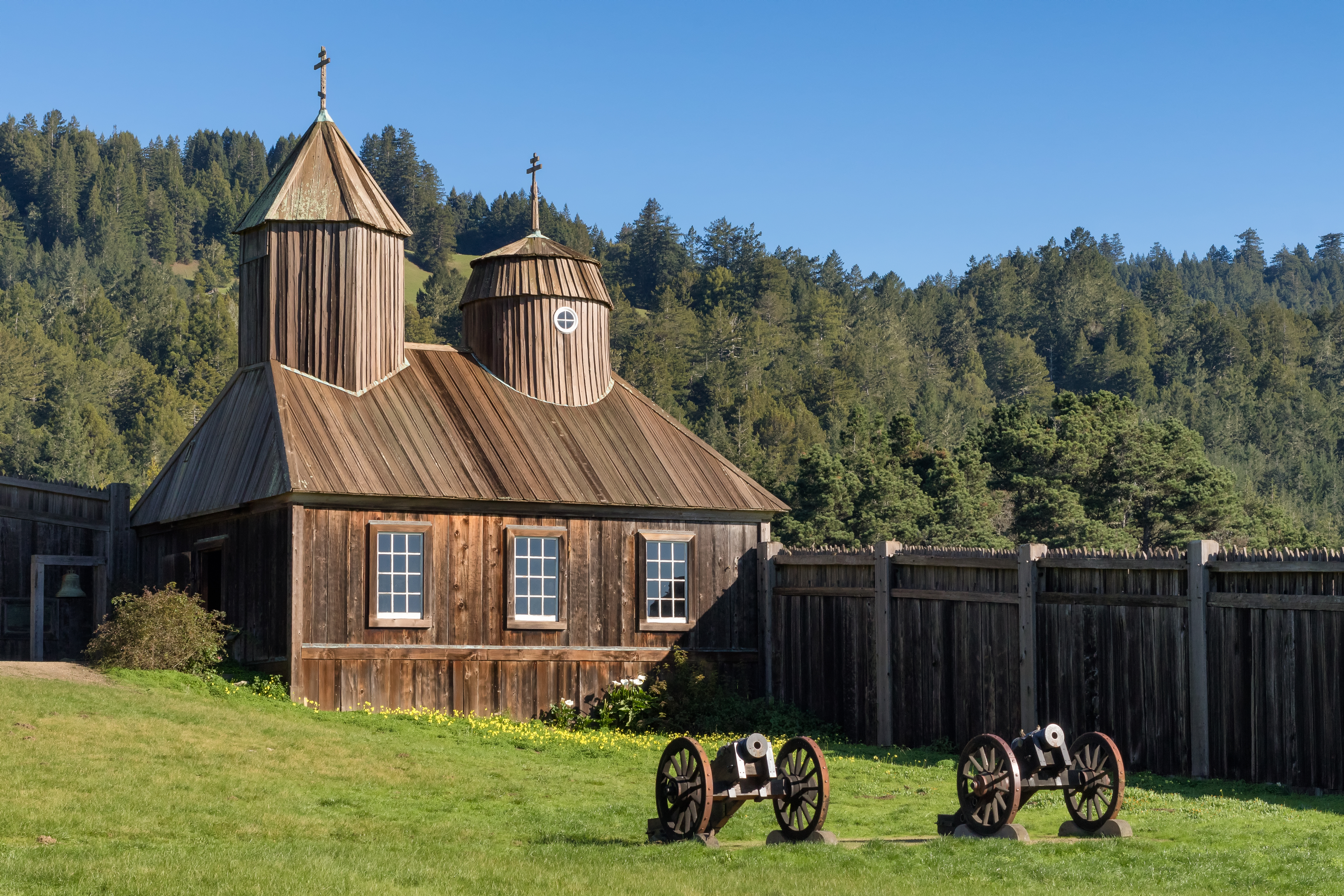
Eight Bay Area and North Bay historic parks — Fort Ross on the Sonoma coast, Jack London's Glen Ellen estate, Olompali in Marin, and five more — are free to visit through the end of 2026 under a California pass you can download at no cost until July 6.
Gov. Gavin Newsom announced Wednesday that the state's Historian Passport, normally $50 per year, is available for free through the Fourth of July weekend, timed to both Juneteenth and the 250th anniversary of the Declaration of Independence. The digital pass admits up to four people per visit at more than 30 state historic parks statewide — and the Bay Area's slice of that list is one of the strongest reasons to act before the registration window closes.
To claim the pass, California residents register on the Reserve California website, request the special edition Historian Passport, and download it. Once downloaded, passholders and three guests get unlimited free entry at participating parks from Juneteenth through December 31, 2026. Registration stays open through Monday, July 6.
The Bay Area parks on the list
Of the 33 participating historic parks, at least eight sit within a day-trip of the Bay Area:
- Fort Ross SHP (Jenner, Sonoma Coast) — the 19th-century Russian colonial outpost overlooking the Pacific
- Jack London SHP (Glen Ellen, Sonoma Valley) — the author's Beauty Ranch, including the ruins of Wolf House
- Olompali SHP (Novato, Marin) — a Coast Miwok village site and Camino Real waystation
- Petaluma Adobe SHP (Petaluma, Sonoma) — General Vallejo's 1836 rancho headquarters
- Sonoma SHP (Sonoma) — the plaza where the Bear Flag Republic was proclaimed in 1846
- Benicia Capitol SHP (Benicia, Solano County) — California's state capitol from 1853 to 1854
- Bale Grist Mill SHP (St. Helena, Napa Valley) — an 1846 water-powered flour mill still in working order
- Robert Louis Stevenson SP (Calistoga, Napa Valley) — where the writer honeymooned and wrote The Silverado Squatters
The political framing
The announcement is openly adversarial toward the Trump administration. Newsom's office noted that while the president ended free national park admission on Juneteenth and directed the National Park Service to remove exhibits on slavery and climate change, California is doing the opposite — reducing cost and, through its Reexamining Our Past Initiative, expanding interpretive programming rather than contracting it. A federal judge recently ordered the Trump administration to reinstall the removed exhibits and signs.
"California doesn't hide from hard truths and uncomfortable history — in fact, we embrace it and learn from it," Newsom said in the official announcement. "While Trump ignores and tries to rewrite the past, California is marking these celebrations of freedom by inviting everyone to learn our country's history — our real history — for free in our state parks."
The pass is funded by donations from the California State Parks Foundation and the California State Railroad Museum Foundation, not state general funds.
The Juneteenth significance
Senator Akilah Weber Pierson, chair of the California Legislative Black Caucus, pointed to the historical exclusion of Black Americans from public lands as context for why the barrier removal matters. "For generations, Black Americans were excluded from public spaces and denied access to the opportunities and experiences that others enjoyed," Weber Pierson said. "By widening access to California's historic state parks to more families, we help ensure that public lands are places where everyone can learn and benefit from."
The announcement specifically highlighted Colonel Allensworth State Historic Park — the only California town founded, financed, and governed entirely by Black Americans — as the most significant park in the system for Black history. That park is in Tulare County, not the Bay Area, but it's included in the passport.
State Parks Director Armando Quintero framed the offer as an on-ramp. "I hope the free Historian Passport introduces more Californians to the state's historic gems and sparks a curiosity, thirst for knowledge and sense of belonging that leads to many return visits," he said.
The Historian Passport program builds on a January directive from Newsom in which more than 200 state parks offered free entry on Martin Luther King Jr. Day.
The Discussion
Loading…