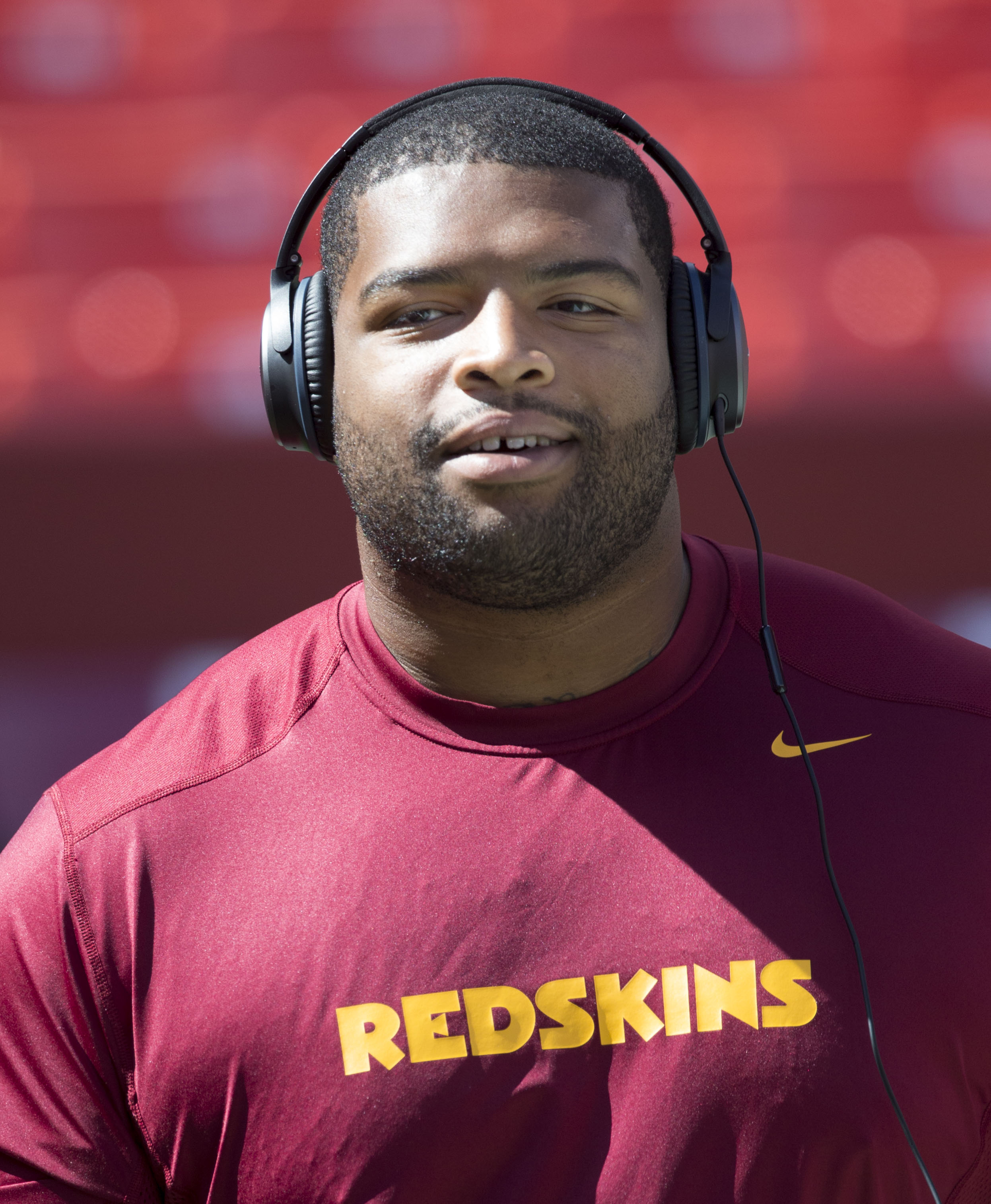
The Trent Williams saga is finally over — and for once, both sides can claim a legitimate win. The All-Pro left tackle locked in more guaranteed money, the 49ers freed up much-needed cap space, and the rest of us can stop doomscrolling through contract negotiation rumors.
But let's not pop the champagne just yet.
The Williams extension is good accounting. It's not a roster strategy. Trent Williams is 36 years old. He's still arguably the best left tackle in football, but "arguably the best" and "36 years old" are two phrases that historically don't coexist for very long in the NFL. The 49ers just bought themselves breathing room — the question is what they do with it.
And that question lands squarely on John Lynch's desk.
The Niners' window is open, but the hinges are creaking. Brock Purdy is still on a rookie deal — the single greatest financial cheat code in professional sports — but that clock is ticking loudly. Once he gets his market-rate payday, the salary cap gymnastics that have kept this roster competitive become exponentially harder. Every draft pick between now and then carries outsized importance.
Lynch needs to find developmental talent at premium positions — offensive line, cornerback, edge rusher — and he needs those players contributing sooner rather than later. The 49ers can't keep running it back with the same core and expecting different results in January. At some point, "we were so close" stops being inspiring and starts being a pattern.
The Williams deal was the responsible move. It stabilized the present without mortgaging the future. But stabilizing the present is table stakes. The draft is where this front office proves whether they're building toward a championship or just managing a very expensive treadmill.
San Francisco's Super Bowl window won't stay open because of smart contract restructures. It stays open because of smart talent acquisition. Time to prove it.
The Discussion
Loading…