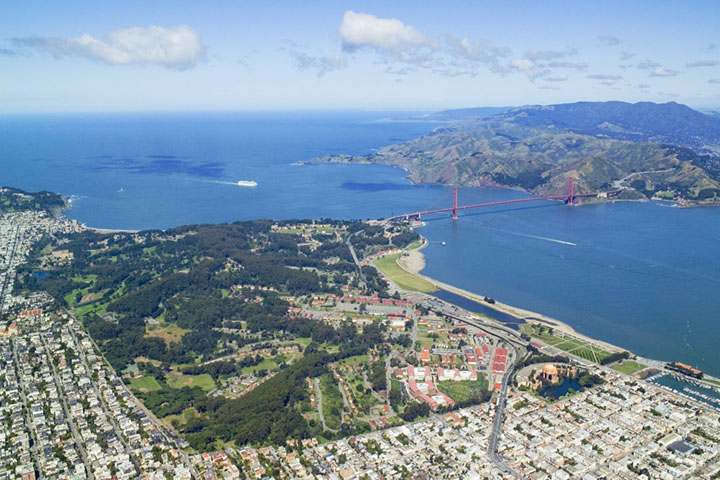
Sunset Dunes turned one year old this week, and the city is taking a victory lap. The oceanfront park that replaced the Upper Great Highway has logged a reported 1.7 million visits since opening, a number that sounds impressive — until you start asking questions.
Let's be clear: nobody hates parks. Green space is great. Ocean views are great. Families enjoying a Sunday afternoon by the beach? Fantastic. But the story of Sunset Dunes was never really about whether people would show up to a free oceanfront attraction in a city starved for accessible outdoor space. Of course they would. The real question was always whether eliminating a major north-south traffic corridor was worth it — and that debate is very much alive.
The 1.7 million figure itself deserves scrutiny. How is it being counted? Automated sensors? Estimates? Does every jogger who passes through twice count as two visits? City agencies have a long and storied history of inflating usage numbers when they need to justify a policy decision that's already been made. We'd love to see the methodology.
Meanwhile, Outer Sunset residents who now sit in backed-up traffic on surrounding streets might have a different metric for success. As one local put it bluntly, the park is lovely if you don't have to commute through the neighborhood. The rerouted traffic hasn't disappeared — it's just been pushed onto residential streets that weren't designed to handle it.
Here's the fundamental tension: San Francisco has a habit of framing every policy choice as a moral binary. You're either for the park and the planet, or you're a car-obsessed monster. That's not governance — it's marketing. Good urban planning means honestly weighing tradeoffs, not cherry-picking visit counters to declare mission accomplished.
Sunset Dunes may well prove to be the right call in the long run. But one year in, the city owes residents more than a press release. It owes them a transparent accounting of traffic impacts, infrastructure costs, and whether the neighborhoods bearing the burden are actually being heard — or just being told to enjoy the view.
The Discussion
Loading…