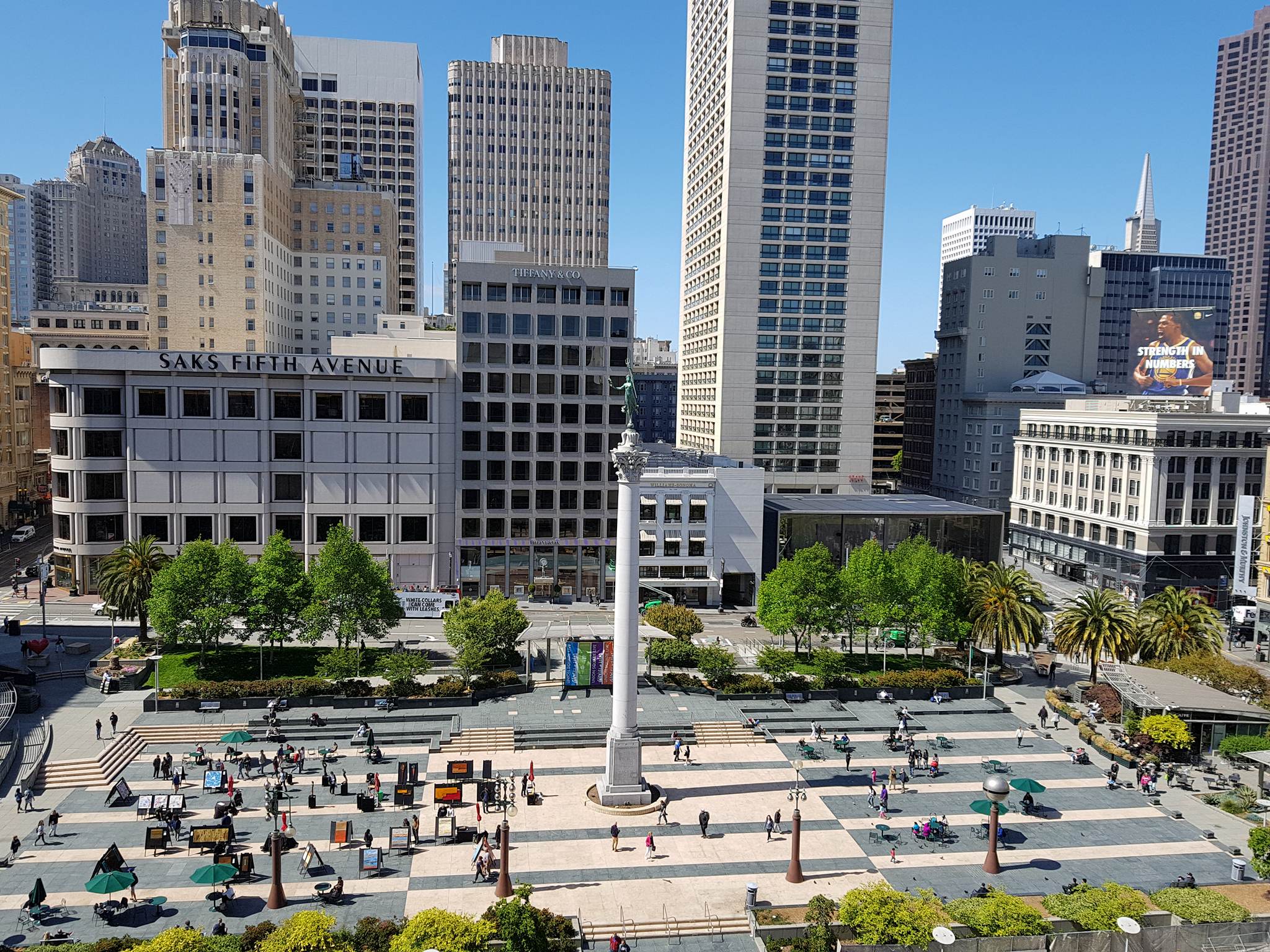
Here's a headline that sounds like peak San Francisco absurdity: developers are racing to build new skyscrapers while the city is still drowning in vacant office space. On the surface, it's the kind of thing that makes you want to scream into the void about misallocated capital and delusional optimism.
But dig a little deeper and it's actually a story about markets doing what markets do — sorting winners from losers.
The reality is that SF's office vacancy crisis isn't uniform. The city has a glut of aging, mid-tier office space that nobody wants. Think dated floor plans, poor ventilation, and the kind of lobbies that scream 2003. Meanwhile, there's genuine demand for premium Class A space — the sleek, modern, amenity-rich towers that top-tier tenants actually want to lease. As one local observer put it, "There's a massive shortage of Class A office space. The lower classes of office space have stopped being relevant. Those buildings will either be refurbished into Class A buildings or replaced with new buildings."
That's not irrational exuberance. That's just how creative destruction works. The old stock either adapts or dies, and new supply fills the gap at the top. Office leasing activity is also ticking up, which gives developers actual numbers to point to — not just vibes.
The real question City Hall should be asking isn't "why are people building?" — it's "what do we do with the buildings nobody wants anymore?" One SF resident floated the obvious answer: "Perhaps we could have a few skyscrapers filled with housing, and some businesses for the people living in them?" Novel concept, we know.
Here's where our perpetually sluggish city government could actually be useful. Streamline conversions of obsolete office towers into residential or mixed-use buildings. Cut the red tape on adaptive reuse permits. Stop treating every zoning variance like a constitutional crisis. The private market is already telling us which buildings have a future and which don't — the least the city can do is get out of the way.
New skyscrapers going up while old ones sit empty isn't a contradiction. It's a signal. The question is whether San Francisco is smart enough to read it.
The Discussion
Loading…