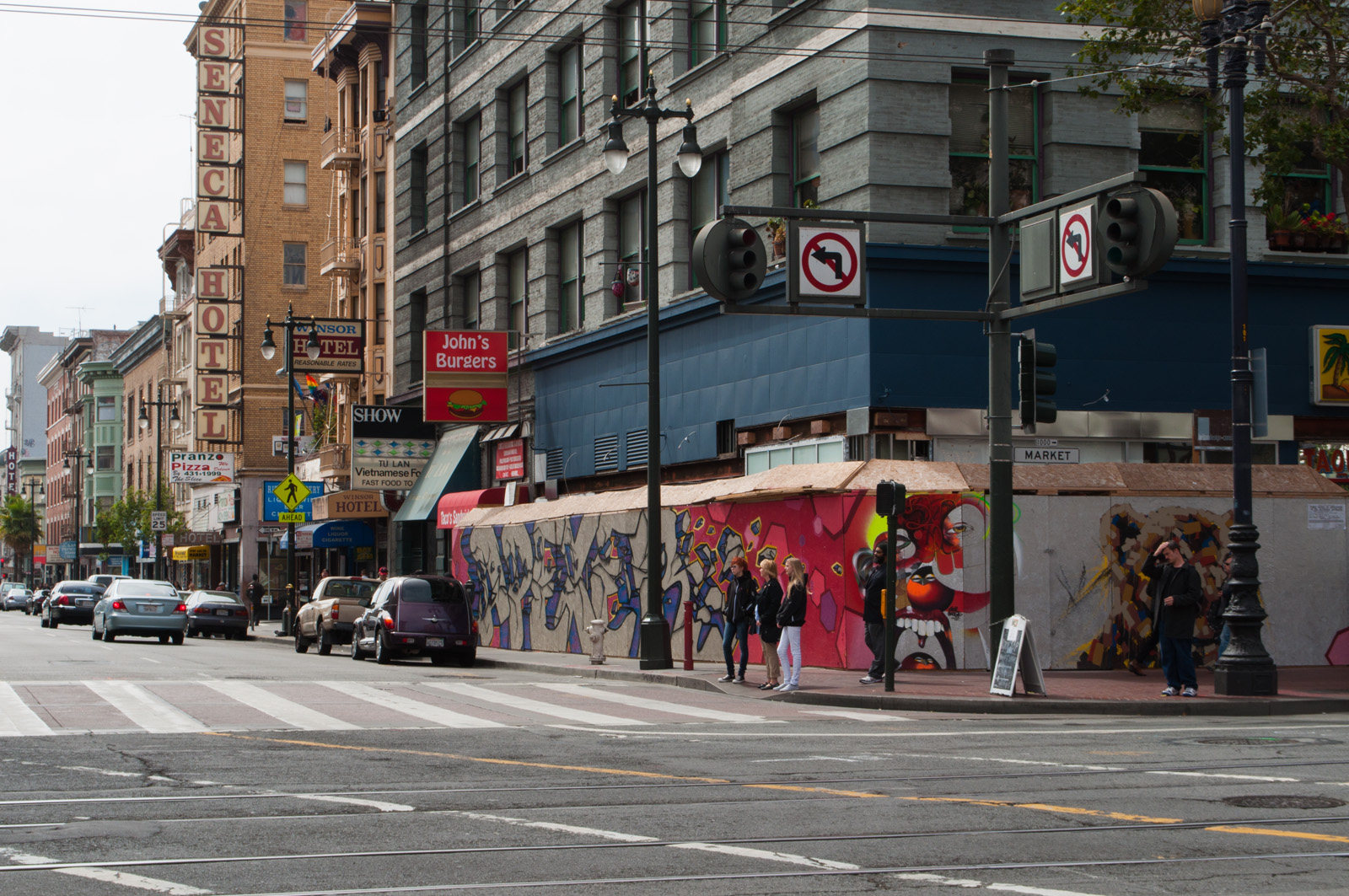
San Francisco is back, baby. At least, that's the narrative making the rounds. While Los Angeles grapples with economic headwinds — compounded by devastating wildfires and insurance chaos — SF is supposedly riding high on a fresh wave of AI investment, rising commercial activity, and renewed tech optimism.
And look, there's real data behind the cheerful headlines. Office vacancy rates have ticked down from their apocalyptic pandemic highs. AI companies are gobbling up space South of Market. Downtown foot traffic is up. Tax revenue projections are looking less dire than they did 18 months ago.
But let's not pop the champagne just yet.
The uncomfortable question nobody in City Hall wants to address: who exactly is benefiting from this boom? Because if you're a mid-wage worker, a small business owner in the Outer Sunset, or anyone not plugged into the AI gold rush, this recovery might feel pretty abstract.
As one SF resident put it bluntly: "SF has a K-shaped economy — only rich people are growing. The rest aren't. SF is only doing better because the top half brings the average up, rendering the average useless as a metric."
That's not just snark. It's a legitimate structural critique. When your economic recovery is driven almost entirely by one white-hot sector concentrated in a few neighborhoods, you don't have a broad-based boom. You have a very expensive veneer over the same affordability crisis, the same hollowed-out retail corridors, and the same small businesses getting crushed by permitting costs and regulatory overhead.
Meanwhile, another local offered a more sardonic take, crediting "our super efficient Mayor Lurie" for the turnaround. The jury's still very much out on that one.
Here's what we'd actually like to see: less victory-lapping over aggregate economic numbers and more focus on whether this city's recovery is translating into anything tangible for people who aren't pulling $300K in total comp. Are permitting timelines shrinking? Is it easier to open a small business? Are neighborhoods outside the AI corridor seeing investment?
A rising tide is supposed to lift all boats. In San Francisco, it mostly seems to lift yachts.
The Discussion
Loading…