Amid intensifying Central Valley heat, San Francisco's unique "convection straw" cooling effect faces an uncertain future, as scientists debate whether climate change will intensify summer winds or lead to hotter, drier autumns, prompting city planners to adapt.
Why Does San Francisco Stay Cool? The "Convection Straw" and an Unsettled Climate Future
On a block like the 2400 block of Mission Street, the summer sun can hit hard, even as much of San Francisco remains swathed in its predictable marine layer. This contrast highlights a unique meteorological phenomenon—dubbed the "convection straw" by some—that has long dictated the city's temperate summers. Yet, as the Central Valley bakes under increasingly intense heatwaves, the future of this natural cooling system, and San Francisco's climate, remains genuinely contested among scientists. Will hotter inland temperatures intensify our summer winds, or lead to a radically different, hotter autumn?
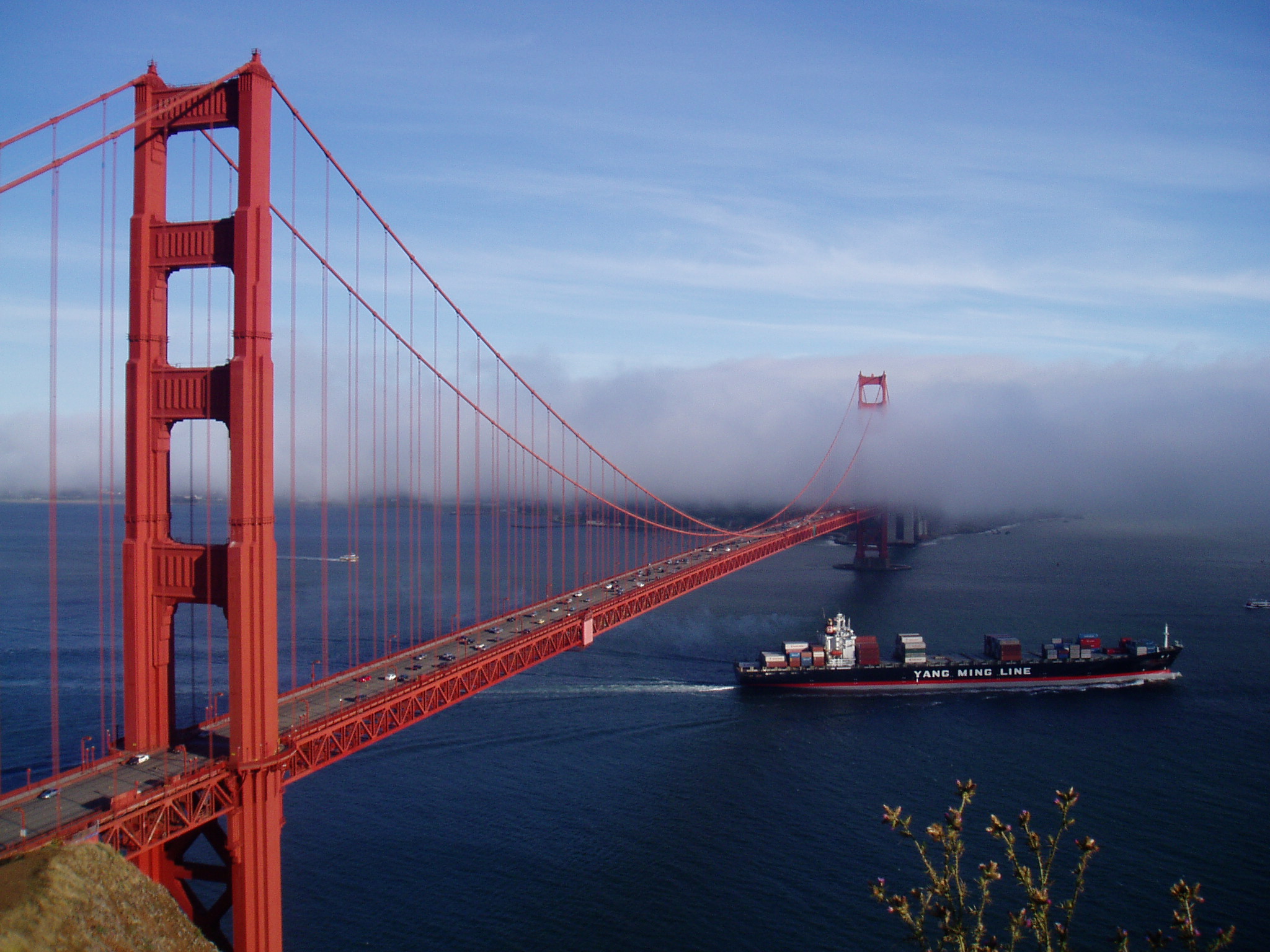
The so-called "convection straw" is a scientifically recognized process by which the intense heat of California's Central Valley creates a pressure gradient. This gradient acts like a vacuum, pulling cool, moist marine air through the gaps in the coastal hills, most notably the Golden Gate Strait, and into the Bay Area. Rob Mayeda, an NBC Bay Area meteorologist, explains this mechanism to general audiences. This influx of cool air is responsible for San Francisco's famed advection fog and the often-chilly summer days, even when the rest of North America is enduring significant heat.
However, the impacts of a warming planet on this delicate balance are complex and, at times, contradictory. On one hand, rising inland temperatures would logically increase the pressure gradient, potentially strengthening the "convection straw" and bringing more vigorous summer winds and cooler temperatures to San Francisco's immediate coast. On the other, the Pacific Ocean itself is warming. As UC Davis atmospheric scientist Ian Faloona notes, "The oceans are warming and there is reason to believe that if your surface just gets warmer, that you're not going to be hitting the dew point as readily," indicating a potential reduction in the marine layer's ability to form. This warming ocean, coupled with shifts in oceanic pressure systems like the North Pacific High, could diminish the very source of the marine air that cools the city.
The scientific community is not in full agreement on the long-term trends of San Francisco's fog, which is intrinsically linked to this system. Studies correlating fog density to redwood tree rings, co-authored by UC Berkeley's James Johnstone and Todd Dawson, suggest a significant coastal fog decline of approximately 33% over a 60-year period ending around 2010. Yet, other datasets show more modest declines, and airport observation data hints at a possible recent rebound in fog frequency. As USGS Environmental Scientist Alicia Torregrosa puts it, "Fog is so complex... And the complexity has to do with thermal relationships," underscoring the challenge in modeling its future with certainty.
What is increasingly clear, however, is a shift toward a climate that can no longer guarantee the city's long-standing cool. San Francisco has begun to record multiple days over 100°F in recent years, a stark departure from historical norms where temperatures rarely exceeded 80°F. The City and County of San Francisco's Heat and Air Quality Resilience (HAQR) Plan, adopted in May 2023, explicitly acknowledges this new reality. It mandates proactive measures like cool roofing and urban greening, signalling that municipal planning can no longer reliably depend on the marine layer for natural cooling. This means that while summer days might occasionally be windier, residents should increasingly prepare for warmer, drier conditions in the autumn months as the marine layer weakens and the "convection straw" inevitably powers down for the season.
The city’s microclimates mean these changes won't be uniform. Neighborhoods like the Mission District, already prone to temperatures 8-15°F warmer than the Outer Sunset due to fog shadow and urban heat island effects, will likely face intensified heat stress. The conversation is shifting from a predictable cool to a nuanced understanding of a city grappling with an unsettling climate future.
The Discussion
Sign in to join the discussion.
Loading…