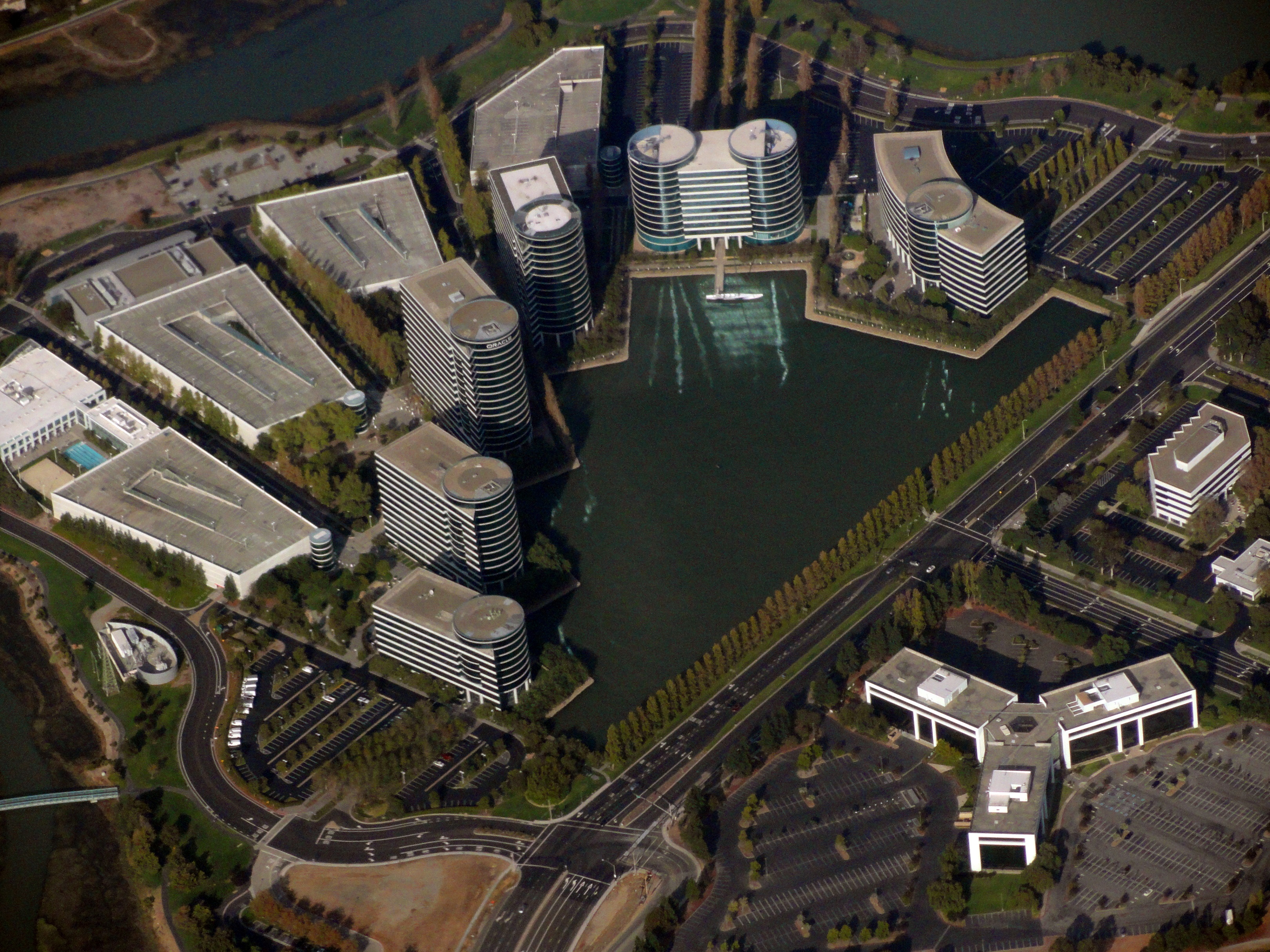
Oracle's fiscal year 2026 10-K, filed Monday, reveals the company shed 21,000 workers — nearly 13% of its global workforce — while spending $55.7 billion on capital expenditure, primarily for AI infrastructure. The filing explicitly names AI deployment as a cause of the reductions.
Oracle filed its annual report with the SEC on Monday, and buried inside the risk-factor boilerplate was a disclosure that most companies still won't say out loud: AI deployment cost its workforce 21,000 jobs over the past year.
The company's headcount stood at 141,000 full-time employees as of May 2026, down from 162,000 the prior year — a 12.9 percent reduction. "The adoption and deployment of AI technologies across our operations have resulted, and may continue to result, in reductions to our workforce," the 10-K reads. That's not a layoff memo or an earnings call talking point. It's a sworn regulatory filing.
The numbers behind that sentence are striking. Oracle spent $1.8 billion on restructuring costs — severance, exit costs — in the fiscal year, a 481 percent jump from the $374 million it spent the prior year. That severance bill is a rounding error against the other column: capital expenditure of $55.7 billion, up 162 percent, poured into Oracle Cloud Infrastructure serving customers including OpenAI, xAI, Nvidia, and Meta. Free cash flow came in at negative $23.7 billion. The company carries more than $120 billion in total debt, and announced in February plans to raise an additional $45 to $50 billion — half through debt — to keep building.
The trade is blunt: Oracle is converting headcount dollars into data center concrete. Barclays noted in March that Oracle generates less profit per employee than its rivals, which is one way analysts framed the math case for the reductions. Analysts generally credited the workforce cuts as a positive for Oracle's cash flow; none of that shows up yet in the FCF line.
This wasn't a total surprise. Oracle told employees in March it was cutting thousands of jobs, and California WARN filings in the spring documented more than 500 Silicon Valley-area separations — a preview of a much larger reorganization. The annual report puts the full scale on the record for the first time.
What the filing doesn't settle: how much of the 21,000 actually came from AI automation versus organizational consolidation following Oracle's aggressive cloud buildout. The company's statement to CNBC — that it will "continually balance our resources and restructure our development group" as cloud and AI businesses grow — suggests more of the same. The other open question is whether Oracle's primary AI infrastructure customer, OpenAI, will generate the revenue necessary to justify the debt load. OpenAI is not yet profitable, a fact Oracle's own bondholders cited when they sued in February, claiming the company obscured the scale of debt it needed to raise.
Oracle stock has fallen more than 10 percent year-to-date.
The Discussion
Loading…