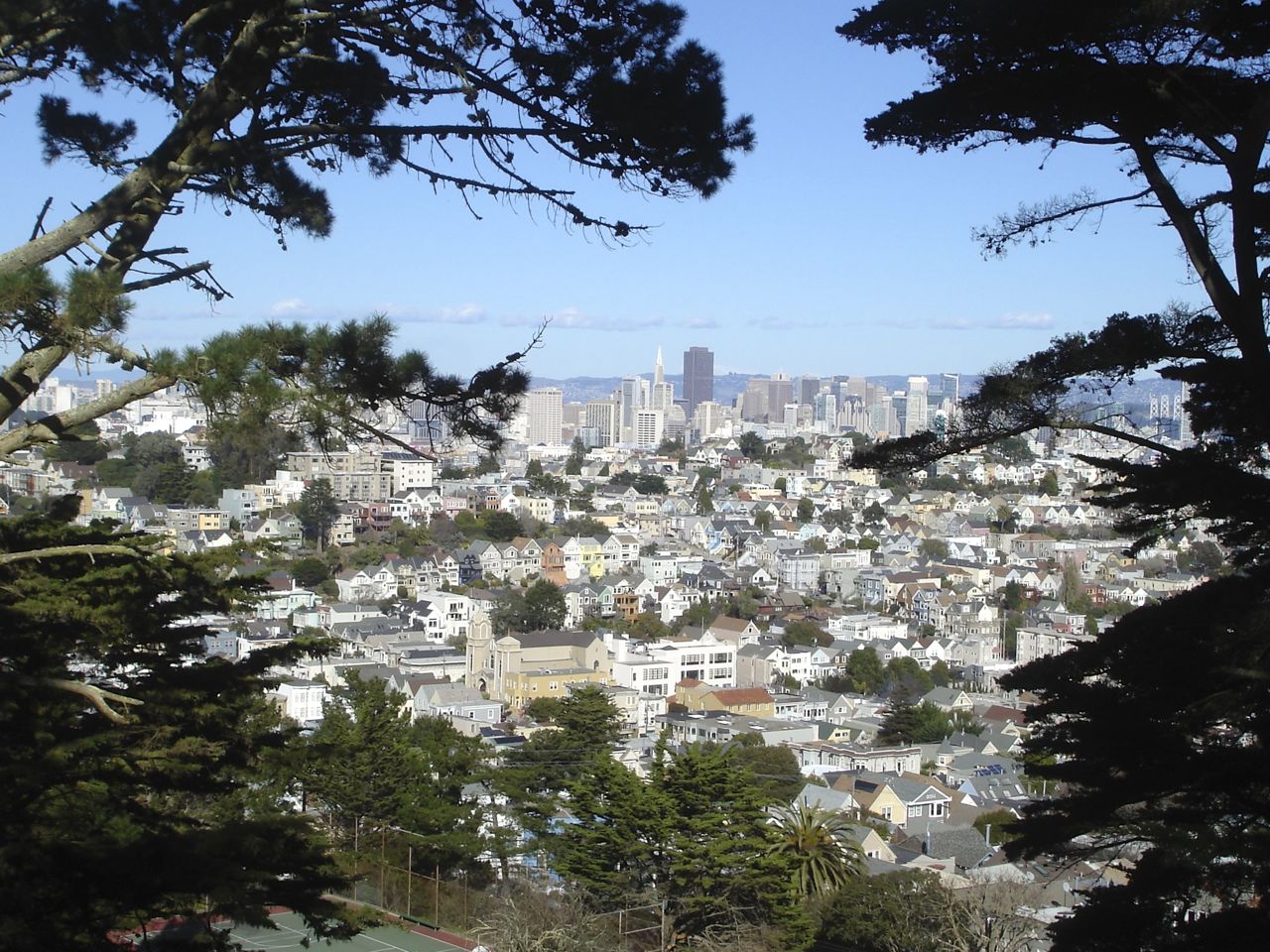
In a city where entire blocks can transform overnight — a laundromat becomes a smoothie bar, a bookstore becomes a crypto lounge — there's something quietly radical about just walking every street in a neighborhood and paying attention to what's already there.
That's exactly what one photographer has been doing in Noe Valley, rewalking every single street and capturing the details that most of us scroll past on our way to Whole Foods or the 24th Street corridor. The result is a love letter to one of San Francisco's most enduring residential neighborhoods — the Victorian facades, the quirky yard art, the lived-in charm that no amount of city planning could manufacture.
Noe Valley has always occupied an interesting space in San Francisco's identity. It's undeniably expensive — median home prices hover well above $2 million — but it never fully lost the character that made people want to live there in the first place. The streets still have personality. The houses still have stories.
Take the so-called Bunny House, a neighborhood landmark that's become a quiet piece of local lore. As one SF resident put it: "My parents lived there with my brother when he was born. Unfortunately had to move when I was born for more space. Such a special house." That's the Noe Valley experience in miniature — people love it, sometimes outgrow it, but never forget it.
Here's the thing worth noting: neighborhoods like this don't happen because a supervisor drafted a resolution or a committee held a visioning session. They happen because people build homes, plant gardens, paint their houses strange colors, and stay long enough for the place to accumulate meaning. The best thing government can do for neighborhoods like Noe Valley is mostly stay out of the way — keep the streets safe, keep the permits reasonable, and let the organic weirdness do its thing.
In a city that's constantly chasing the next big transformation, sometimes the most interesting thing you can do is just walk every block and notice what's been there all along.
The Discussion
Loading…