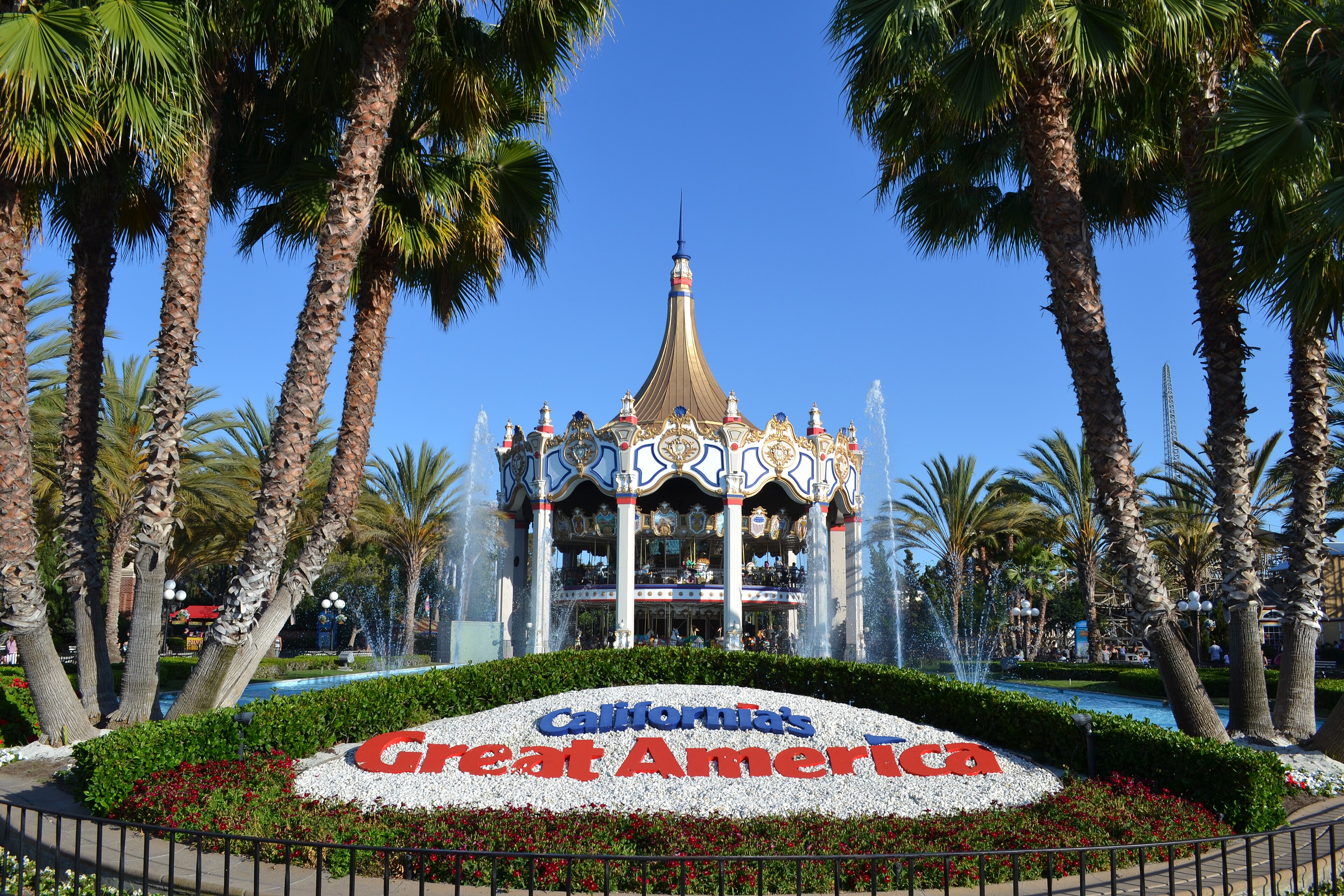
If you grew up in the Bay Area, there's a decent chance some of your best childhood memories involve sunburns, overpriced funnel cakes, and at least one terrifying ride at California's Great America in Santa Clara. Well, pour one out — because that era is officially over.
The park's closure has been a slow-motion trainwreck that anyone paying attention could see coming. But what stings most for longtime fans isn't just that Great America is shutting down — it's how it was gutted on the way out. Seasonal events? Stripped. Signature attractions? Gone. Meanwhile, Six Flags Discovery Kingdom in Vallejo — a park that, let's be honest, has never exactly been a crown jewel — keeps getting investment. They just got two new tiger cubs, for crying out sake. Tiger cubs!
As one frustrated Bay Area resident put it: "I curse the Six Flags corporation for dooming California's Great America. The worst park gets the longer stay."
Hard to argue with that math.
The land beneath Great America is being rezoned, which in Silicon Valley means one thing: development. And not the roller coaster kind. We're talking mixed-use, high-density, probably-with-a-WeWork-in-it development. The land is simply too valuable in one of the most expensive real estate markets on the planet to justify a theme park that a corporate parent had already stopped caring about.
This is the story of Bay Area entertainment in a nutshell. We lose cultural institutions not because people stop showing up, but because the economics of land use make it impossible for anything fun to survive. The same forces pricing people out of their apartments are pricing out amusement parks.
From a fiscal perspective, nobody's saying the government should have stepped in to save a private amusement park. That's not how this works. But it's worth noting that when cities zone away recreational spaces in favor of tax-revenue-maximizing developments, the quality of life costs are real — even if they don't show up on a balance sheet.
Great America deserved better than a slow bleed-out. Santa Clara deserved better. And Vallejo getting tiger cubs instead is just salt in the wound.
The Discussion
Sign in to join the discussion.
Loading…