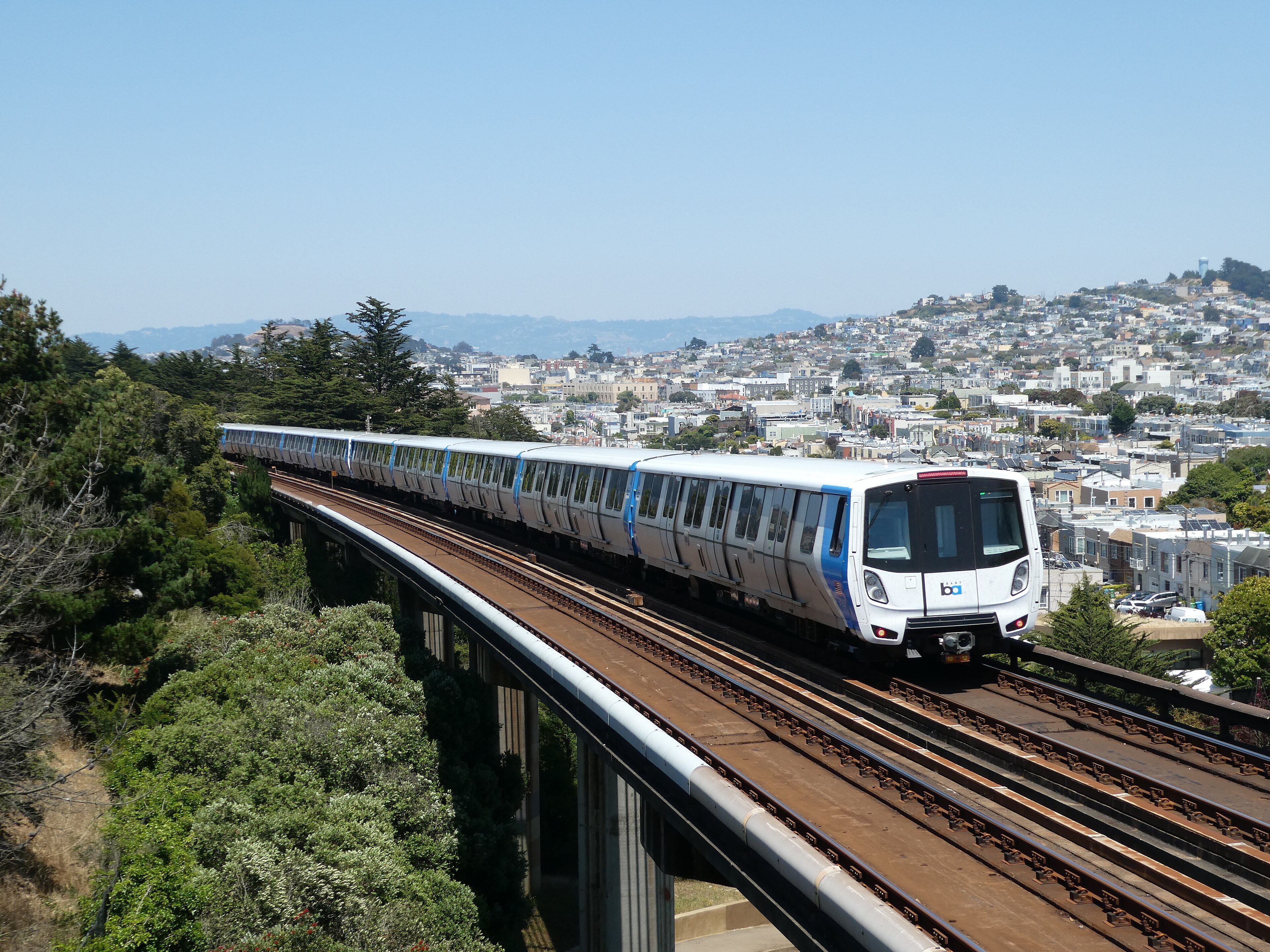
BART, Muni, and Caltrain are all trumpeting major ridership increases this spring, and the agencies are crediting a fun cocktail of reasons: nice weather, improved service, and — yes — the so-called "Ohtani Effect," as baseball fans flock to see the Dodgers' superstar when L.A. visits the Bay.
Look, we love a good comeback story. And credit where it's due: Caltrain's electrification has genuinely improved the rider experience, and Muni has made some real service frequency gains. But transit agencies painting themselves as the architects of a ridership renaissance are doing some heavy lifting with the narrative here.
The elephant in the room? Return-to-office mandates. As one Bay Area commuter put it bluntly: "My entire office is now required to be in the office 5 days a week. I've been hearing similar stories from my friends too." That's not a transit victory — that's a captive audience. When your boss tells you to show up Monday through Friday, and parking downtown costs more than a monthly mortgage payment in some states, you ride BART. It's not complicated.
Another local pointed out that the definition of "telework" has become almost laughable: "'Telework' means one day working remotely, four in the office, so not really helping in this day and age." The Bay Area Air Quality Management District still counts that as a commute-reduction benefit. In 2025. Sure.
Here's what would actually constitute a win: sustainable ridership driven by service so good that people choose transit over driving. That means frequent, reliable, clean, and safe trains and buses — not just ridership bumps because corporate America decided remote work was over.
The agencies also aren't talking about what would really move the needle: making transit affordable and accessible through programs like the long-delayed Clipper BayPass, which could let employers offer universal transit benefits. Instead, we get press releases about Shohei Ohtani.
We're glad the trains are fuller. Farebox revenue matters, and it beats the ghost-town vibes of 2021. But let's not pretend bureaucratic self-congratulation is the same as solving Bay Area transit. The riders came back because they had to — now earn their loyalty by making the ride worth it.
The Discussion
Sign in to join the discussion.
Loading…