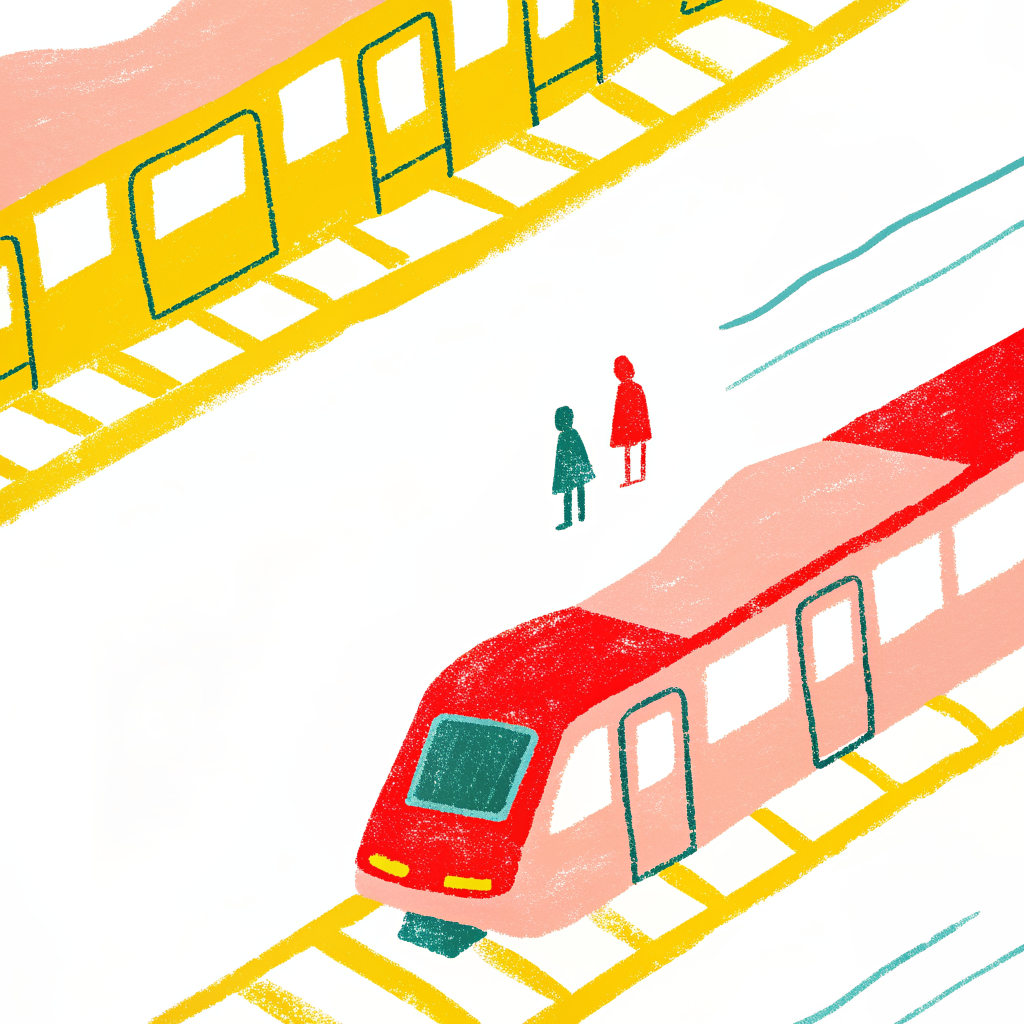
Nearly three years after BART shrank its trains to run them more often, the agency is putting the long ones back: starting today, Monday, Aug. 10, full-length trains return and a rewritten systemwide schedule takes effect — BART's response to weekday ridership that has pushed past 200,000 and brought rush-hour crush loads back to its platforms.
The change is the headline item in a week of Bay Area transit news: BART is rebuilding its timetable around a reconfigured Daly City Station, Muni is adding frequency on some of its busiest lines, and the tiny Oakland–Alameda water shuttle is sidelined by a blown engine. Together they sketch an agency landscape planning for recovery rather than retrenchment — a notable shift from the empty-car anxiety of the early pandemic years.
BART cut its trains from ten cars down to six or eight almost three years ago, a move it pitched as a way to spread the same number of cars across more frequent trips. But weekday ridership has climbed past 200,000 as of June, according to reporting by Streetsblog San Francisco, and rush-hour crush loads returned. The agency's answer, effective today, is to put the long trains back and rewrite the schedule at the same time.
The mechanical heart of the new timetable is Daly City. In a statement relayed by Streetsblog, BART said that by running Daly City "as a center platform station" it can deliver "more even headways, better transfers, and less train congestion" across the system. BART's own schedules page is now carrying a live service advisory that confirms the switch and its immediate consequence for riders: "BART's schedule will change on Monday, August 10. Some train times are adjusting by several minutes." The agency is urging riders to run any trip dated Aug. 10 or later through its Trip Planner before relying on a memorized departure, with Blue and Green Line trains spaced more evenly.
The reversal is worth sitting with. BART sold the shorter trains on frequency; it is now restoring full-length trains and reworking the timetable simultaneously. The June ridership figure — past 200,000 weekday riders — helps explain the confidence to bet on fuller platforms rather than emptier ones.
Muni leans in, too. San Francisco's Muni is also adding service as boardings recover, running at roughly 538,000 average weekday systemwide trips — about 80 percent of pre-pandemic levels, per figures the SFMTA provided to Streetsblog. Among the changes: the 1 California shifting to nine-minute frequency instead of ten, peak N Judah trains every nine minutes, and all 5R Fulton Rapid trips moving to 60-foot buses. Several other lines, including the 22 Fillmore, 29 Sunset, 38R Geary Rapid and 49 Van Ness–Mission, are slated for added peak capacity. Riders should confirm specifics on SFMTA's blog, which is also advertising a further round of Muni service changes later this month — so the "which schedule is live" question is worth double-checking.
And the small one. Woodstock, the 31-seat Oakland–Alameda water shuttle, spent the week out of service. "The water shuttle experienced an internal component failure; we think it is a head gasket but decided to change it out with our spare," Alexis Matsui of San Francisco Bay Ferry told Streetsblog, adding the agency anticipated Woodstock "can resume service on Friday." As of Friday, Aug. 7, Streetsblog reported it still wasn't running. The breakdown is a pointed argument for redundancy: the little boat has carried some 251,000 passengers and 60,000 bicycles in two years, enough to win an extension to 2028 and stir plans for a decade-long run — which, backers note, would likely require a second vessel so one gasket can't strand the whole route.
For riders, the practical takeaway is simple: if your BART trip felt automatic, check it once this week. The train that shows up should be longer. The clock next to it may not be the one you remember.
The Discussion
Sign in to join the discussion.
Loading…