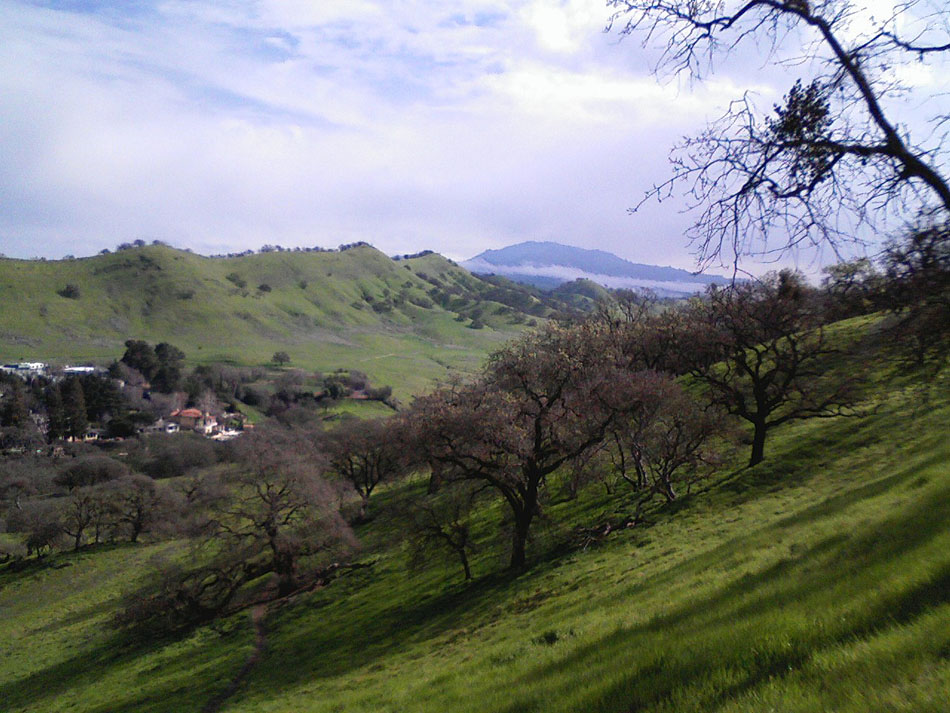
Here's a truth nobody in the suburbs wants to say out loud: the East Bay bedroom communities are built for couples with kids, not for single people in their 30s trying to build a social life from scratch. And if you're sitting in Walnut Creek wondering why your Friday nights feel like a rerun, you're not imagining things.
The question keeps coming up among East Bay singles — do I need to move to SF to actually meet people? The answer, like most things in the Bay Area, is complicated and expensive.
As one local put it bluntly: living in Walnut Creek is "rough for dating scene there, since it's a small population and mostly married people." The advice? "You're probably better off finding partners in Oakland/Berkeley" through activity-based communities — salsa classes, run groups, yoga studios. The kind of organic social infrastructure that doesn't require a $15 cocktail and a Lyft surge.
And that gets at the real issue here. San Francisco has nightlife, sure. But it also has $20 parking garages, bars that close at 1:30 AM with the enthusiasm of a DMV office, and a social culture that one SF resident described perfectly: cafes full of people on laptops turning every potential gathering spot into "a sterile coworking space." As another local lamented, "Cafes should be social places."
The dirty secret of SF's singles scene is that the city has hollowed out a lot of its own social infrastructure through over-regulation, early closing times, and a bureaucratic hostility toward nightlife that would make even the most patient bar owner weep. We've written before about how SF makes it absurdly difficult to open and operate entertainment venues. That's not a culture problem — it's a policy problem.
So what's the play if you're a single 30-something in the East Bay? Honestly, Oakland and Berkeley offer more bang for the buck. The social scenes in Temescal, Uptown Oakland, and along Telegraph are vibrant without requiring you to sell a kidney for a night out. BART gets you to SF's Mission District or Marina in under 30 minutes if you want to explore.
But the bigger takeaway is this: if San Francisco actually wants to be a world-class city for all demographics — not just tech workers and families who bought in 2012 — it needs to stop strangling its own nightlife and social scene with red tape. A city that's hard to go out in is a city that's hard to stay in. And the suburbs are already boring enough.
The Discussion
Sign in to join the discussion.
Loading…