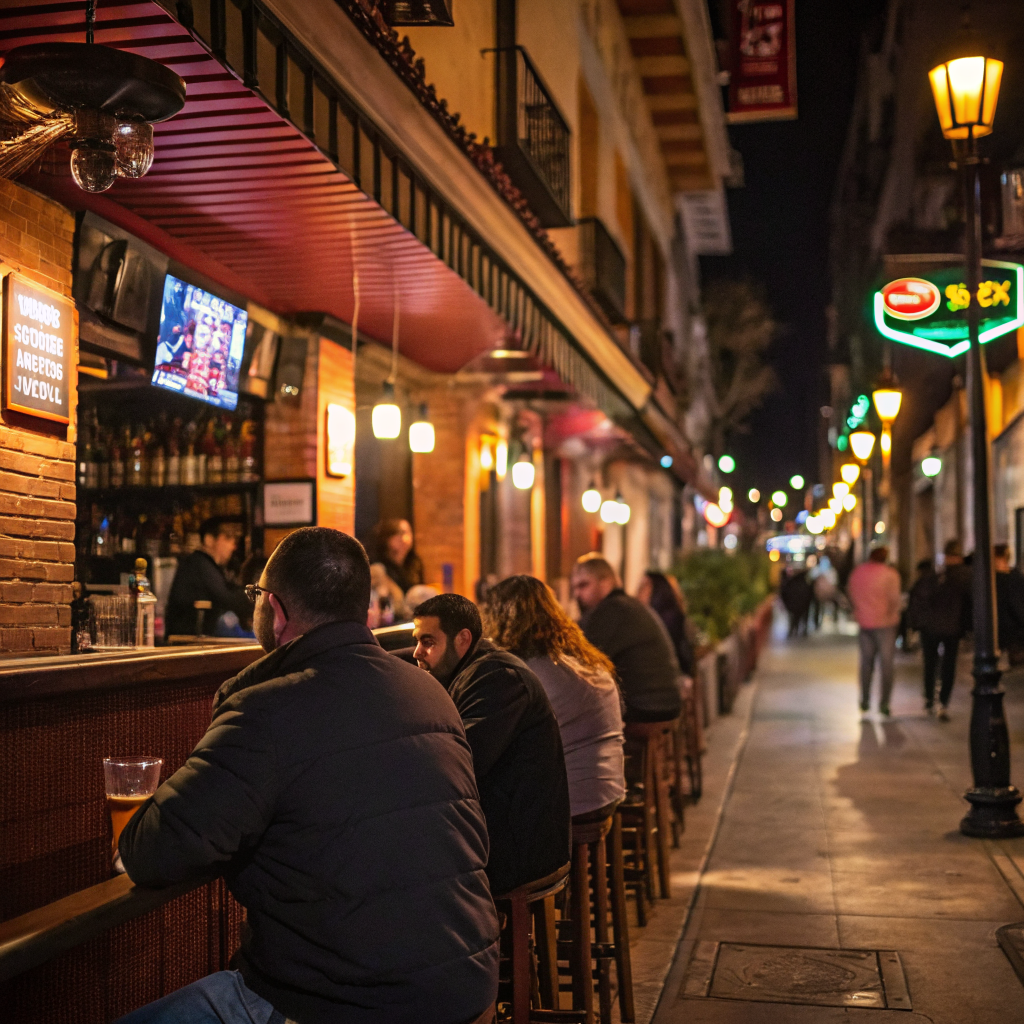
San Francisco's entertainment zones have expanded to over 30 locations since 2025, with Valencia Street's seven-day zone driving a 20% sales increase at local bars and measurable economic impact across the city.
On Valencia Street, the entertainment zone now runs seven days a week, and the numbers show it's working. Blondie's Bar owner Nikki DeWald reports a 20% sales increase since the zone expanded from weekend-only to daily operation, even when no street festival is happening. The change comes as San Francisco's entertainment zone program—authorized by State Senator Scott Wiener's 2023 legislation—has grown from fewer than 10 zones at the start of 2025 to more than 30 across the city today.
The Valencia corridor, stretching from 16th to 21st Street, became the first zone granted daily operation, according to the Office of Economic and Workforce Development. Other neighborhoods followed: Cole Valley, the Castro, and the Fillmore all secured zones last year. The program allows bars and restaurants to sell alcohol for street consumption during designated events when streets are closed to cars, under local management plans approved by the city.
Business impact is measurable across the city. During Pride week, Castro bars saw sales double compared with the year before the zone's establishment, Castro Merchants Association president Nate Bourg told the Chronicle. On Front Street, Harrington's Bar & Grill logged a 425% business increase during its Oct. 31 "Nightmare on Front Street" event, owner Ben Bleiman reported.
The zones host more than just drinking—night markets, World Cup watch parties, cultural festivals, live music, drag shows, and food trucks fill the streets. Merchant associations and neighborhood groups typically organize the events, which can cost tens of thousands to produce but generate enough foot traffic to justify the expense, business owners say.
Not everyone's celebrating. Some residents have raised concerns about noise and street closures. The Hayes Valley Neighborhood Association opposed that neighborhood's zone, criticizing the lack of transparency in the approval process. Advocacy group Alcohol Justice has called for stronger oversight rather than elimination of the zones entirely.
Meanwhile, the building permits keep coming. Along Valencia, recent permits show continued investment: permit 202605131198 for $295,733 in alterations at 1308 Valencia St, and permit 202605221803 for $100,458 at 1098 Valencia St. The street's transformation is visible in both the daily crowds and the construction scaffolding.
The program's success has other California cities looking to replicate San Francisco's model. For now, Valencia Street offers the clearest example of how entertainment zones can reshape a neighborhood's economic landscape—one open container at a time.
The Discussion
Sign in to join the discussion.
Loading…