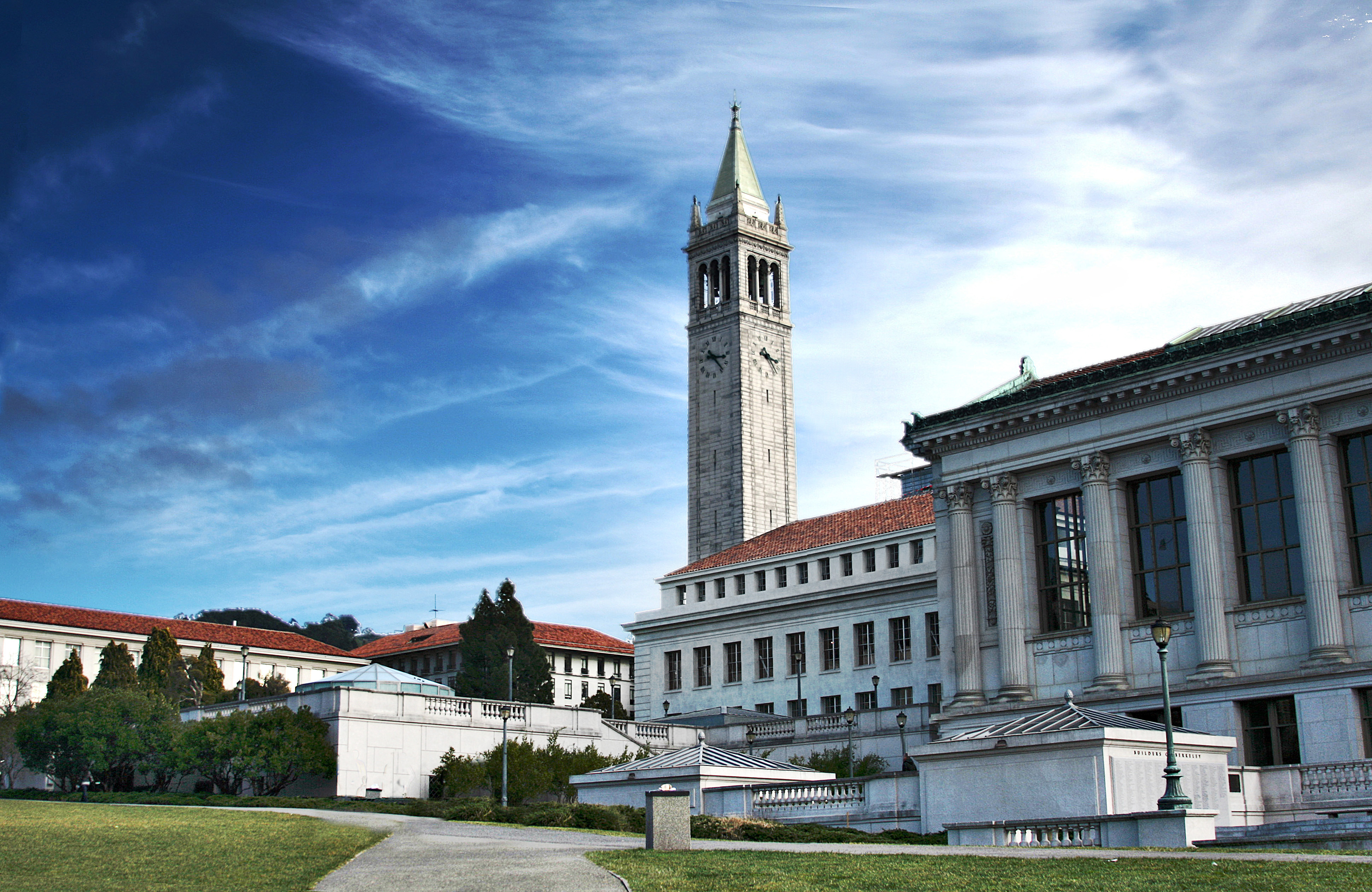
The University of California admitted a record 102,031 California first-year students for fall 2026 — but its Bay Area flagship moved the other way, offering roughly 4% fewer spots to in-state freshmen even as more Californians than ever applied.
The University of California's preliminary fall 2026 admissions data, released July 29 by the Office of the President, is a story of a system expanding access — and of UC Berkeley quietly diverging from it. Systemwide, in-state first-year offers rose for the year and the California admit rate ticked up to 78%. Berkeley, one of the two most competitive campuses in the system, cut its California first-year offers again, according to UC figures reported by SFGATE. For Bay Area families who see Berkeley as the crown jewel of public higher education, the numbers mean the local flagship is getting harder to enter precisely as the rest of the system opens up.
The University of California announced July 29 that it offered admission to 102,031 California first-year students for fall 2026 — the highest number in the system's history and an increase of 1,458 over the previous year, when 100,573 in-state freshmen were admitted. The California first-year admit rate rose to 78% from 77%, even as the system fielded more than 205,000 first-year applications. In all, UC admitted 153,272 first-year students, in-state and out.
"For generations, a University of California education has been one of the state's most powerful engines of social mobility, opening doors for talented students from every background and region of the state," UC President James B. Milliken said in the announcement. The system also reported admitting 42,277 first-generation Californians and a record 29,372 California Community College transfers, a 6% jump.
Then there is Berkeley.
The campus admitted approximately 4% fewer California first-year students than it did a year earlier — 9,445 offers for fall 2026, down from 9,852 in 2025, according to UC data reported by SFGATE's Madilynne Medina. And SFGATE reported the pullback has been building for a few years: Berkeley offered admission to 10,727 California freshmen in 2024, down from 10,976 in 2023, with the yearly figure rising in the years before that.
What makes the contraction striking is that demand is going the opposite way. Berkeley drew roughly 76,201 California applicants this cycle, per the same data — more students competing for fewer in-state seats. The result is a flagship that is measurably harder for a Californian to get into this year than last, even as the broader UC system reports it is widening the gate.
UC administrators framed the systemwide totals as proof the university is holding up its end of a bargain with the state. Under the UC 2030 capacity plan, the system has committed to adding 17,000 in-state undergraduates by 2030, and its Multi-Year Compact with California requires it to grow California undergraduate enrollment by at least 1% a year to unlock state funding increases. The system says it is on track.
"This year's data show once again that a significant number of first-generation and low-income students are getting their shot at the American dream at public universities like UC," said Han Mi Yoon-Wu, UC's associate vice provost and executive director for undergraduate admissions. The share of admitted Californians reporting low family income rose to 43% from 42%.
But those systemwide gains are unevenly distributed, and Berkeley's trajectory shows why aggregate numbers can obscure as much as they reveal. Growth in a nine-campus system can be driven by its larger or less selective campuses while the most sought-after ones tighten. The preliminary release from the Office of the President does not break out per-campus figures; the campus-level picture comes from UC's own detailed admissions dashboard, which reporters and applicants mine each summer to see where the doors actually opened.
UC cautions that the figures are preliminary and that admission offers are not enrollment — yield, waitlists and summer melt will reshape the final class. Still, for a region that treats a Berkeley acceptance as a milestone, the direction of travel is clear enough: the system is admitting more Californians than ever, and its Bay Area flagship is admitting fewer of them.
The Discussion
Loading…