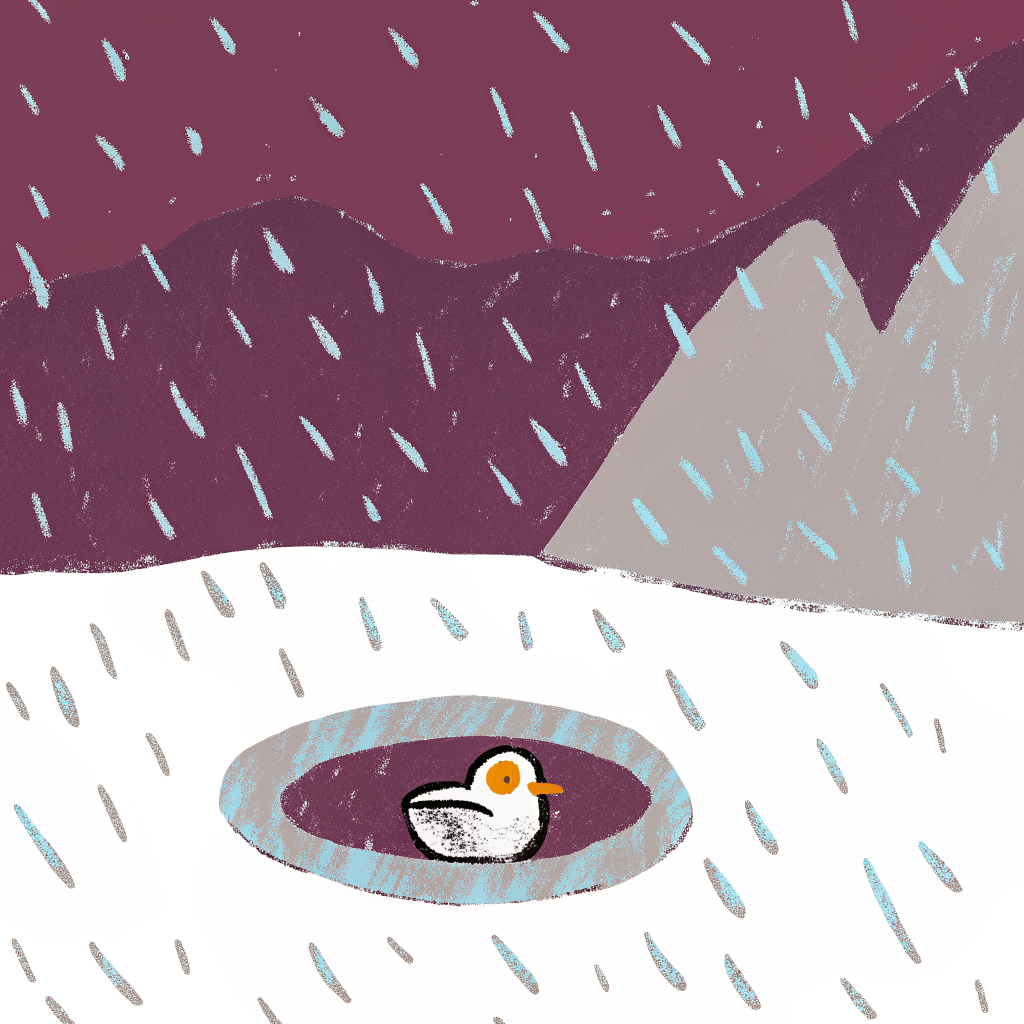
A federally threatened shorebird the size of a golf ball is resettling into the wide sand at Ocean Beach for the winter — and this Saturday, a free welcome-back party at the Judah Street entrance to Sunset Dunes will greet its return with spotting scopes and cotton-ball crafts.
The "Welcome Back Plover Party," running 11 a.m. to 2 p.m. Saturday at Sunset Dunes @ Judah, marks the seasonal return of the Western snowy plover, which leaves Ocean Beach to nest each spring and comes back to overwinter for most of the year. It's a cheerful, family-friendly event with a serious premise: the plover has been federally threatened since 1993, its Ocean Beach survival hinges on humans keeping their distance and their dogs leashed, and the same shoreline is now one of the busiest car-free parks in San Francisco. The party is, at bottom, a lesson in coexistence.
The host, Friends of Sunset Dunes, lays out the plan on its events page (external source, opens in a new tab): crafts and a cameo from park mascot "Snowy D. Plover," paired with something more substantive. Volunteers will set up spotting scopes so visitors can watch the birds without crowding them, and Park Service wildlife staff will circulate to take questions about how to share the beach. The event is being run with the Roving Ranger program operated by the Golden Gate National Parks Conservancy (external source, opens in a new tab), whose truck will sit at the Judah entrance for conversations about wildlife, climate change and sea-level rise.
For these plovers, Ocean Beach isn't a rest stop; it's a winter residence. They arrive around July and linger through May, tucking into shallow scrapes in the sand — sometimes inside human footprints — and feeding on the tiny invertebrates that wash in with the kelp while they rebuild reserves for the flight back to their nesting grounds.
That months-long stay comes with rules. The National Park Service (external source, opens in a new tab) marks off the beach from Stairwell 21 down to Sloat Boulevard as the Ocean Beach Snowy Plover Protection Area. Inside that zone, federal park regulations require dogs to stay leashed for most of the year — roughly the start of July through the middle of May — and a dog let loose there can draw a federal citation. The Golden Gate Bird Alliance (external source, opens in a new tab) calls the 3.5-mile beach home to the largest concentration of the city's plovers, "where dozens of individuals reside."
Why the fuss over a bird most beachgoers never clock? Because the margin is thin. The plovers are easily startled, and every unnecessary flight burns energy they need to bank for migration and breeding. That is the logic behind the leash signs, the buffer distances, and the decision to hand curious visitors a scope rather than let them walk up on a resting flock.
The Pacific Coast population was listed as threatened under the Endangered Species Act in March 1993, following decades of habitat loss, coastal development and human disturbance from California up through Oregon and Washington. The Park Service has long monitored the beach, tallying plovers alongside the people and dogs that share the sand with them.
The coexistence math is harder now than it was a few years ago. Sunset Dunes — the car-free park carved out of the Upper Great Highway — logged 1.7 million visits in its first year (external source, opens in a new tab), by Rec and Park's tally, close to 5,000 people a day. Drawing crowds back to the city's western edge is the entire point of the park. It also means more feet, more dogs and more chances to send a threatened bird scrambling off its patch of sand. Saturday's scopes-and-crafts party is the gentle version of the rule the beach will enforce all winter: give the plovers room.
The Discussion
Sign in to join the discussion.
Loading…