Neighborhood groups fighting the 848-apartment Marina Safeway project have opened a new front: an Aug. 11 legal-threat letter arguing the city cannot fast-track construction while roughly 40,000 square feet of soil beneath the still-operating grocery store remains untested for contamination.
The dispute at 15 Marina Blvd. has shifted from scale and skyline to what's in the dirt. After failing to knock the project out of California's streamlined housing law, opponents are now betting on the site's toxic history — an old gas-and-power operation, petroleum in the soil, and a testing gap the developer's own consultant concedes exists. State regulators say there's no current exposure risk, but they also want more sampling before anyone lives there. That distance between "no immediate danger" and "not yet fully characterized" is where the next lawsuit is forming.
For nine months the fight over the Marina Safeway redevelopment ran on the usual axes: height, density, and whether a 22-story tower belongs above a low-rise grocery store — a standoff KQED framed as a test of whether wealthy neighbors can halt state-mandated housing (external source, opens in a new tab). The argument has now moved underground — to petroleum in the soil, an old gas works, and roughly 40,000 square feet of dirt that has never been drilled.
The pivot came in an Aug. 11 letter from attorney Stuart Gross, who represents three neighborhood organizations — Neighborhoods United SF, the Cow Hollow Association and the Marina Community Association. Gross told the city's planning and public-health departments that his clients will sue if San Francisco lets Align Real Estate Partners' 848-unit project clear streamlined review before the developer meets what he frames as outstanding environmental duties, a threat first detailed by the San Francisco Chronicle (external source, opens in a new tab). Marina Community Association president Erin Roach told the paper the city shouldn't wave a large housing complex past traditional environmental review on a parcel already known to be contaminated without first establishing what sits below it.
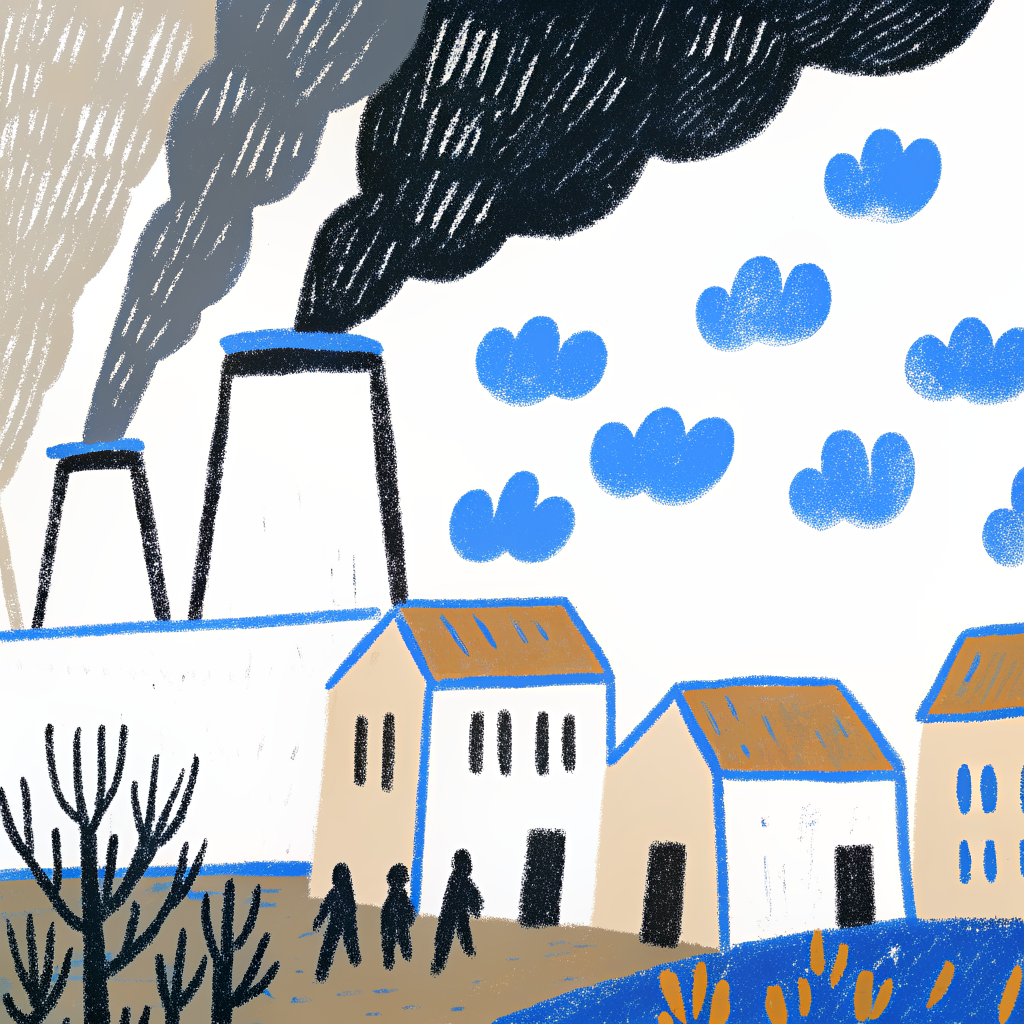
That contamination isn't in dispute. Testing has already turned up petroleum residues and the tar-family compounds known as PAHs — plus the solvent vapors PCE and chloroform — in the ground and the water table, at readings past the levels regulators treat as cleanup triggers. The parcel earned that profile honestly: Safeway acquired the land in 1959, but before the supermarket, PG&E ran a crude-oil steam plant there, and an older manufactured gas plant sat nearby — Gilded Age industry that tended to leave undocumented tanks and residue, later sealed beneath a concrete cap. In an Aug. 16 column, 48hills editor Tim Redmond traces that lineage back to a coal-to-gas works and argues nobody truly knows what PG&E left behind when the 1906 earthquake drove it off the block.
The bluntest warning came from Sacramento. A December 2025 email from a state Department of Toxic Substances Control official — named in the opponents' letter as Karina Navarro, a unit chief in the department's Site Mitigation and Restoration Program — flagged 2023 sampling that measured soil petroleum as high as 2,500 milligrams per kilogram, which she pegged at roughly twice the commercial screening threshold and about ten times the residential one. On that basis, she wrote, she did not expect the parcel to qualify for streamlined approval.
Her note carried no legal force. DTSC isn't running this cleanup; the regional water-quality board that oversees San Francisco Bay is, and its read is more permissive: nothing on the site endangers anyone today, and future tenants should be safe provided remediation follows the standard playbook. That board has also said the eligibility question — does the project qualify for AB 2011? — simply isn't its call. The jurisdictional seam between those two agencies is exactly where the opponents are pushing.
The starkest unknown sits directly under the checkout aisles. Asked by health officials why its sampling plan skipped the ground inside the store's footprint, the developer's environmental consultant, Langan, didn't dispute the omission — it acknowledged the gap outright, explaining that it can't drill while the Safeway is open and would test after the store shuts. In practice, a large share of the site stays a question mark until the project is already underway.
None of that is a loophole — it's the design of the law. A 2024 amendment to AB 2011 pushed the full environmental workup from the eligibility stage to the approval stage, requiring that any hazardous release be cleaned up before the city grants a certificate of occupancy, not before the bulldozers arrive. Planning Director Sarah Dennis Phillips told Supervisor Stephen Sherrill last month the project satisfies AB 2011's site criteria, and that the preliminary endangerment assessment opponents want up front is something the developer can complete later in the permitting pipeline.
Redmond's column also flags a hazard the zoning debate mostly ignores: the Marina's combined sewers, which the group Friends of Mission Creek says have backed raw sewage and stormwater into dozens of homes during ordinary storms since 2021 — and which hundreds of new residents would strain further. Align, which wouldn't comment on the letter, said only that it is meeting, and intends to keep meeting, every environmental rule that applies to it. Both Mayor Daniel Lurie and Sherrill oppose the tower, as The Dissent reported when the project cleared its state eligibility deadline this month. And the testing that could actually resolve the toxics question can't begin until the Safeway closes — which won't happen unless the project everyone is fighting about goes forward.
The Discussion
Sign in to join the discussion.
Loading…