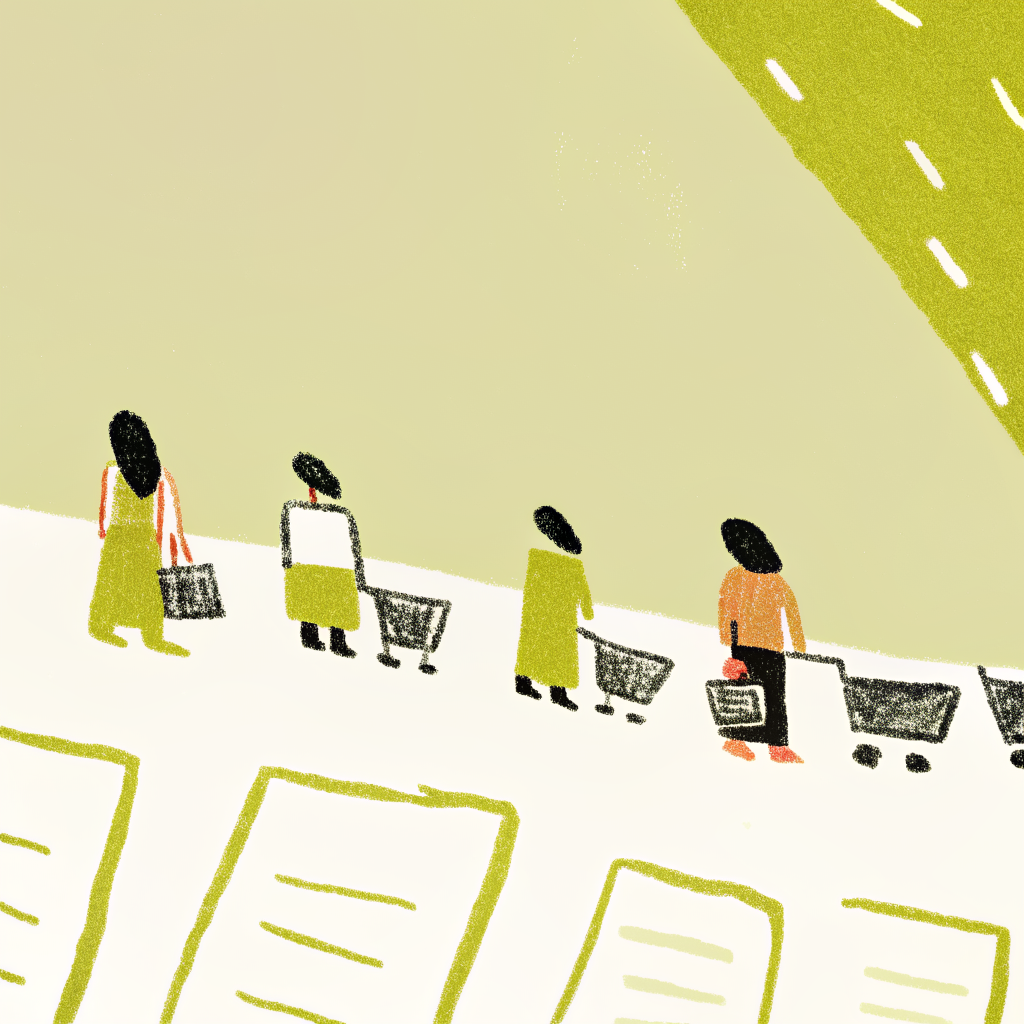
The pantry line at a San Jose church keeps getting longer — and it is growing in the same months an expanded federal work rule began pushing Californians off CalFresh.
Bay Area charities are warning that demand for food assistance is climbing as grocery prices stay high and federal benefits tighten. A named San Jose pantry director has described crowds that keep getting "bigger and bigger." What that anecdote does not spell out is the calendar behind it: the same summer, an expanded federal ABAWD work requirement — which state officials estimate could cost roughly 665,000 Californians their CalFresh benefits — is taking effect, and Second Harvest of Silicon Valley has spent 2026 publicly flagging exactly that squeeze. The overlap is documentable; the precise share of any one pantry's growth it explains is not.
NBC Bay Area's Aug. 7 report captured the crowds; what it didn't lay out is the timeline. The same summer that a San Jose pantry director describes "bigger and bigger" crowds, an expanded federal ABAWD work requirement — one state officials estimate could cost roughly 665,000 Californians their benefits — is taking effect, and Second Harvest of Silicon Valley has spent 2026 sounding the alarm about that pressure.
"The need is tremendous," Deborah Dorton, who directs a food pantry program at True Vines Baptist Church in San Jose, told NBC Bay Area in a report broadcast Aug. 7. "There's a lot of people that are struggling, a lot of people that don't have enough food. Our crowd is getting bigger and bigger and bigger."
Dorton, and the other charities in the report, attribute the surge to higher prices and cuts to government benefits broadly — not to any single policy. That anecdote — longer lines, thinner shelves — is the visible edge of a problem local anti-hunger groups have been documenting all year. The question worth asking is what is changing now, and part of the answer runs through Washington as much as through the checkout aisle.
A cost crunch, alongside a policy cut
The need is tremendous," Deborah Dorton, who directs a food pantry program at True Vines Baptist Church in San Jose, told NBC Bay Area in a report broadcast Aug.
Second Harvest of Silicon Valley, which serves Santa Clara and San Mateo counties and has said it distributes food to an average of about 500,000 people a month, has flagged two overlapping pressures this year. In a May 19 release, the food bank reported the results of a client survey framed around households "cutting back on food as costs rise and historic federal safety net cuts loom." A month later, on June 22, it issued a release on "expanded federal SNAP/CalFresh ABAWD requirements," and its newsroom now features a reader explainer titled "CalFresh Work Requirements 2026: Are You Affected?" — the food bank's own signal that a benefit change is landing on its clients.
ABAWD stands for "able-bodied adults without dependents," a category of SNAP recipients subject to time limits unless they meet work or training rules. Expanding those requirements narrows who can keep benefits. As The Dissent reported in May, state estimates projected that more than 665,000 Californians could lose food assistance as the expanded federal work requirements took effect, with tens of thousands of those cuts projected to fall on Bay Area households already strained by the region's cost of living.
The mechanics are worth spelling out, even though no source has measured the effect pantry by pantry. When a household loses or is trimmed off CalFresh, the grocery gap doesn't vanish — anti-hunger groups say it tends to land at the nearest pantry, which is why they describe food banks as a shock absorber for changes in federal benefits. Whether that dynamic accounts for Dorton's specific growing crowd, neither NBC Bay Area nor Second Harvest has quantified, and Dorton herself cites prices and benefit cuts generally. What is documented is the timing: the summer the lines lengthened is the summer the ABAWD change took hold.
No obvious relief
NBC Bay Area characterized local nonprofits as seeing "no light at the end of the tunnel" in trying to meet demand — the outlet's framing of the mood across several charities, not a single named speaker. It is a bleak note for organizations that publicly project confidence during holiday fundraising drives. Higher food prices raise the cost of every box a food bank packs at the same moment more people are lining up for one, a two-sided squeeze that donations have to stretch further to cover.
For readers, the practical takeaway is narrower than the alarm. Santa Clara and San Mateo residents who need food, or who want to check whether they still qualify for CalFresh under the new rules, can reach Second Harvest's food connection line at 1-800-984-3663. Anyone told they've lost benefits because of the work requirement should ask their county human services agency about exemptions, which can apply to caregivers, people who are medically unable to work, and others.
What The Dissent has not independently confirmed is a hard, current figure for how many additional people Bay Area food banks are serving month over month in 2026 — the food banks' survey and ABAWD releases point to the trend, but a precise regional demand number would require the latest distribution data. That's the reporting still owed on this story. The direction, though, is not in dispute: the lines are longer, and a benefit cut the region was warned about is now here.
The Discussion
Sign in to join the discussion.
Loading…