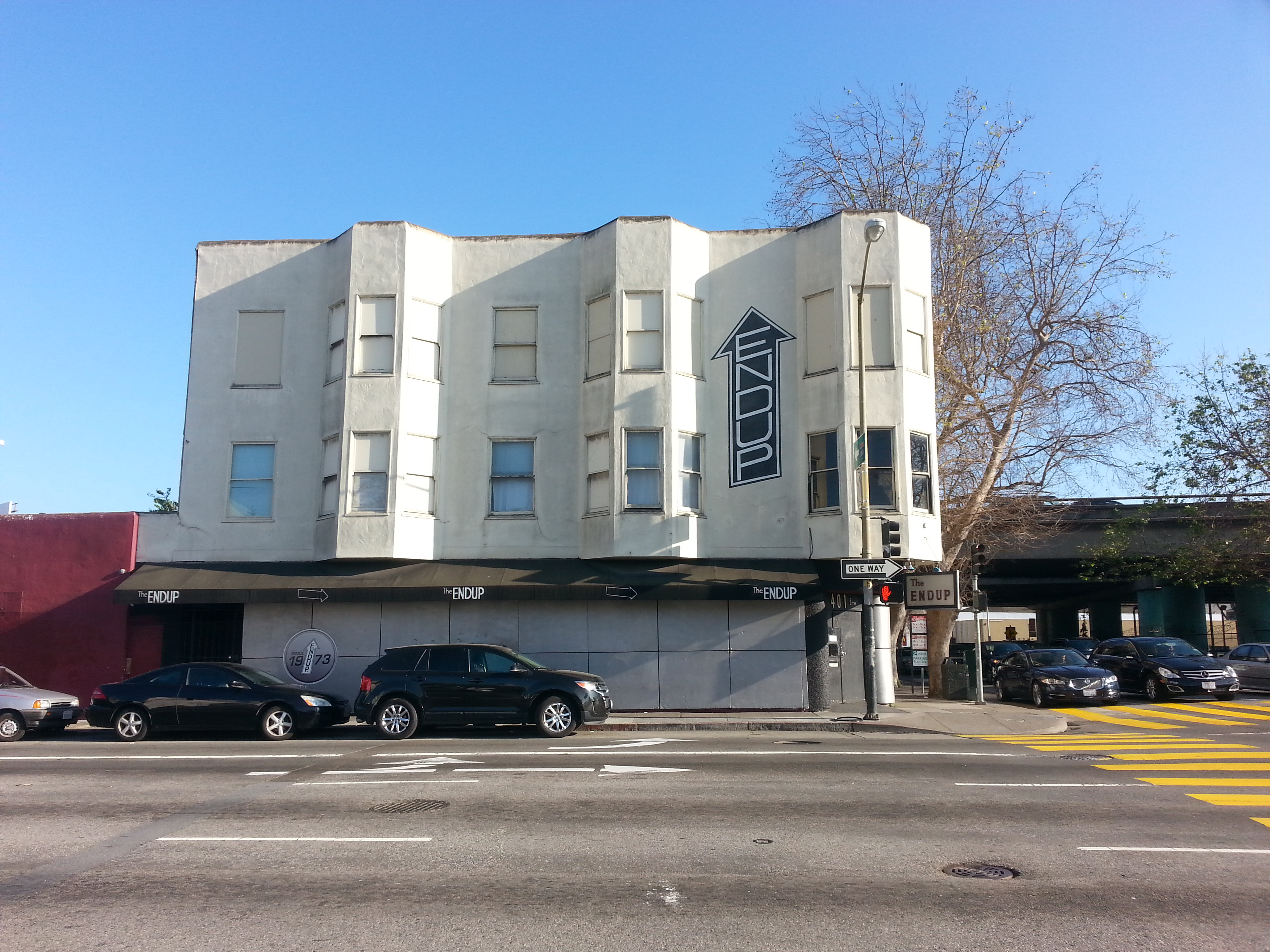
SOMA is getting a block party and night market, and honestly? It's exactly the kind of grassroots, community-driven event the neighborhood needs more of.
SOMA Nights is bringing together local vendors, food, and street-level energy to a part of the city that too often makes headlines for all the wrong reasons. The neighborhood block party and night market format is simple — shut down a street, let small businesses and local creators set up shop, and give people a reason to actually walk around their own neighborhood after dark.
This is how you build community without a $50 million city program and a 14-person oversight committee. No grants. No task forces. No consultants billing $400 an hour to produce a PDF nobody reads. Just people showing up, selling things, eating things, and — revolutionary concept — enjoying public space.
SOMA has been in a weird limbo for years. It's got tech offices that are half-empty post-pandemic, residential towers full of young professionals who order everything on DoorDash, and street-level conditions that make a casual evening stroll feel like an obstacle course. Night markets and block parties won't fix all of that, but they do something city bureaucrats consistently fail at: they make a neighborhood feel alive.
The formula isn't complicated. Cities across Asia have thrived on night markets forever. Even other American cities have figured this out. San Francisco's permitting labyrinth usually strangles these kinds of events in the cradle, so the fact that SOMA Nights is actually happening deserves a small round of applause.
If you're in the area, show up. Spend money with local vendors instead of multinational delivery apps. Talk to your neighbors. Radical stuff, we know.
The best thing San Francisco can do for neighborhoods like SOMA is get out of the way and let people actually use their streets. SOMA Nights is proof the demand is there — the question is whether the city will make it easy or hard to keep events like this going.
We're betting on hard. But we'd love to be wrong.
The Discussion
Loading…