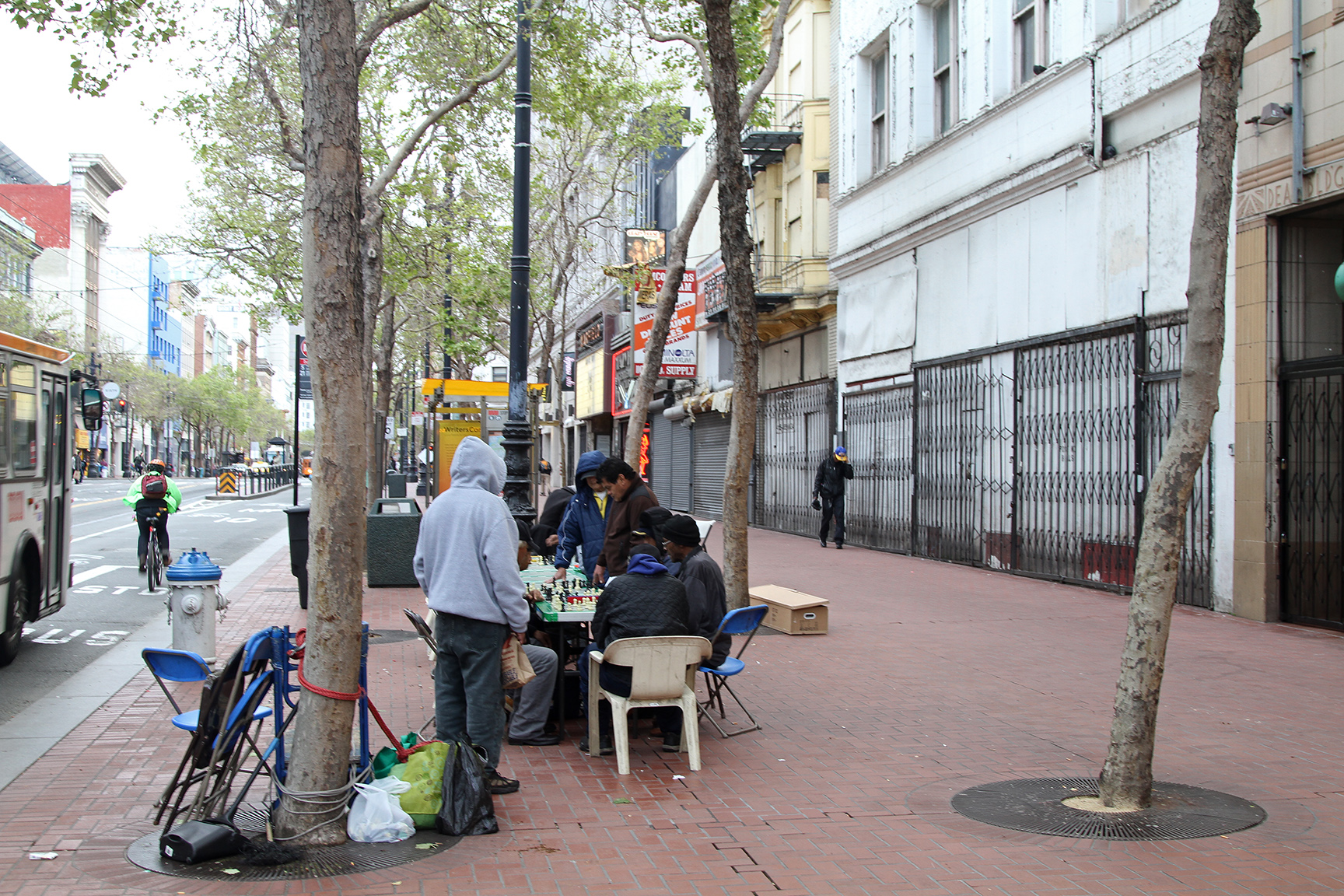
Walk through any neighborhood in San Francisco — the Tenderloin, SoMa, even the supposedly pristine Marina — and you'll notice something the tourism brochures conveniently omit: the city is filthy. Litter, graffiti, bio waste, illegal dumping. It's not a new problem, but it is a problem that City Hall seems pathologically incapable of solving.
And the reason is simple: San Francisco punishes the wrong people.
Building owners get fined for graffiti they didn't spray. Businesses eat the cost of cleaning up sidewalks they didn't trash. Residents file 311 requests that vanish into the bureaucratic void. Meanwhile, the people actually responsible for the mess face approximately zero consequences. As one SF resident put it perfectly: "Peak SF. Can't control crime and vandalism, so they penalize law-abiding citizens and businesses for the city's own incompetence."
It's a governance model that would be hilarious if you didn't have to live in it.
Then there's the RV and encampment situation, which has turned entire blocks into open-air dumps. Nobody begrudges someone living in a van if they're keeping it together. But when streets become sprawling waste zones — needles, trash heaps, hazardous runoff — the city owes something to the taxpayers who fund the infrastructure being destroyed. One Bay Area commuter noted the absurdity: "We might just have to accept that some don't want to follow any social contract and are abusing altruistic hospitality." That's not cruelty — that's common sense.
Here's what's maddening: solutions exist. Another local raised a great point — why doesn't court-ordered community service include cleaning up graffiti for the businesses and residences that get hit? It's so obvious it hurts. But obvious and efficient aren't exactly San Francisco's brand.
The city spends roughly $1.4 billion annually on homelessness-related services. Streets are still disgusting. At some point, the question stops being "why is there so much litter?" and starts being "why are we paying so much for a city that looks like this?"
Accountability isn't a dirty word. But in San Francisco, it might as well be — because the actual dirt isn't going anywhere.
The Discussion
Sign in to join the discussion.
Loading…