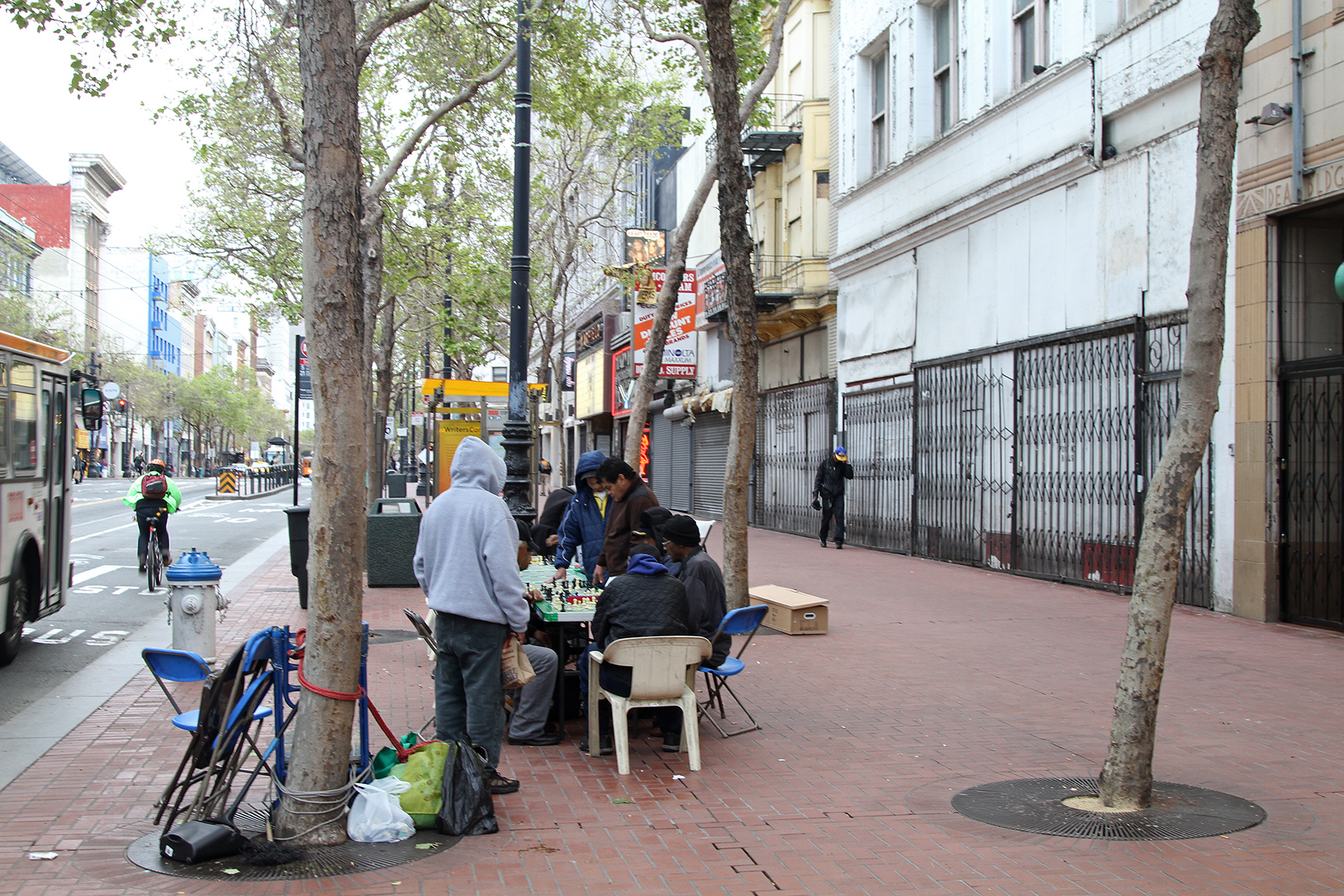
San Francisco has never been short on bold ideas. Unfortunately, it's also never been short on bold ideas that sound great in a committee meeting and then explode on contact with reality. The latest push to overhaul the city's housing and drug policies is drawing serious pushback — and for once, the skeptics might be the most reasonable people in the room.
Let's be clear about what's happening here: there's a growing faction that wants to radically reshape how the city handles both its housing crisis and its drug epidemic, essentially bundling two of SF's most intractable problems into one sweeping policy framework. On paper, the logic is seductive. In practice, it's the governmental equivalent of trying to fix your car's transmission and repaint the house at the same time — with the same budget and the same crew.
The housing crisis is real. The fentanyl crisis is real. But conflating the two into a single policy vehicle risks doing neither well. San Francisco already spends north of $1 billion annually on homelessness-related services. The question was never whether we're spending enough — it's whether we're spending wisely. And the track record there is, to put it charitably, not inspiring.
As one SF resident put it, "We keep getting promised revolution and delivered paperwork."
That's the crux of it. Radical proposals in this city have a habit of becoming bureaucratic Frankensteins — layers of oversight committees, equity reviews, and implementation timelines that stretch into the next decade. Meanwhile, people are still sleeping on sidewalks and dying from overdoses today.
What we actually need isn't radical — it's boring. Enforce existing laws. Streamline housing approvals. Hold service providers accountable for outcomes, not just intake numbers. Fund what works, cut what doesn't.
The pushback against this latest proposal isn't anti-compassion. It's anti-magical-thinking. San Francisco doesn't need another moonshot. It needs to execute the basics. You don't get to call yourself progressive if you're not actually making progress.
The Discussion
Loading…