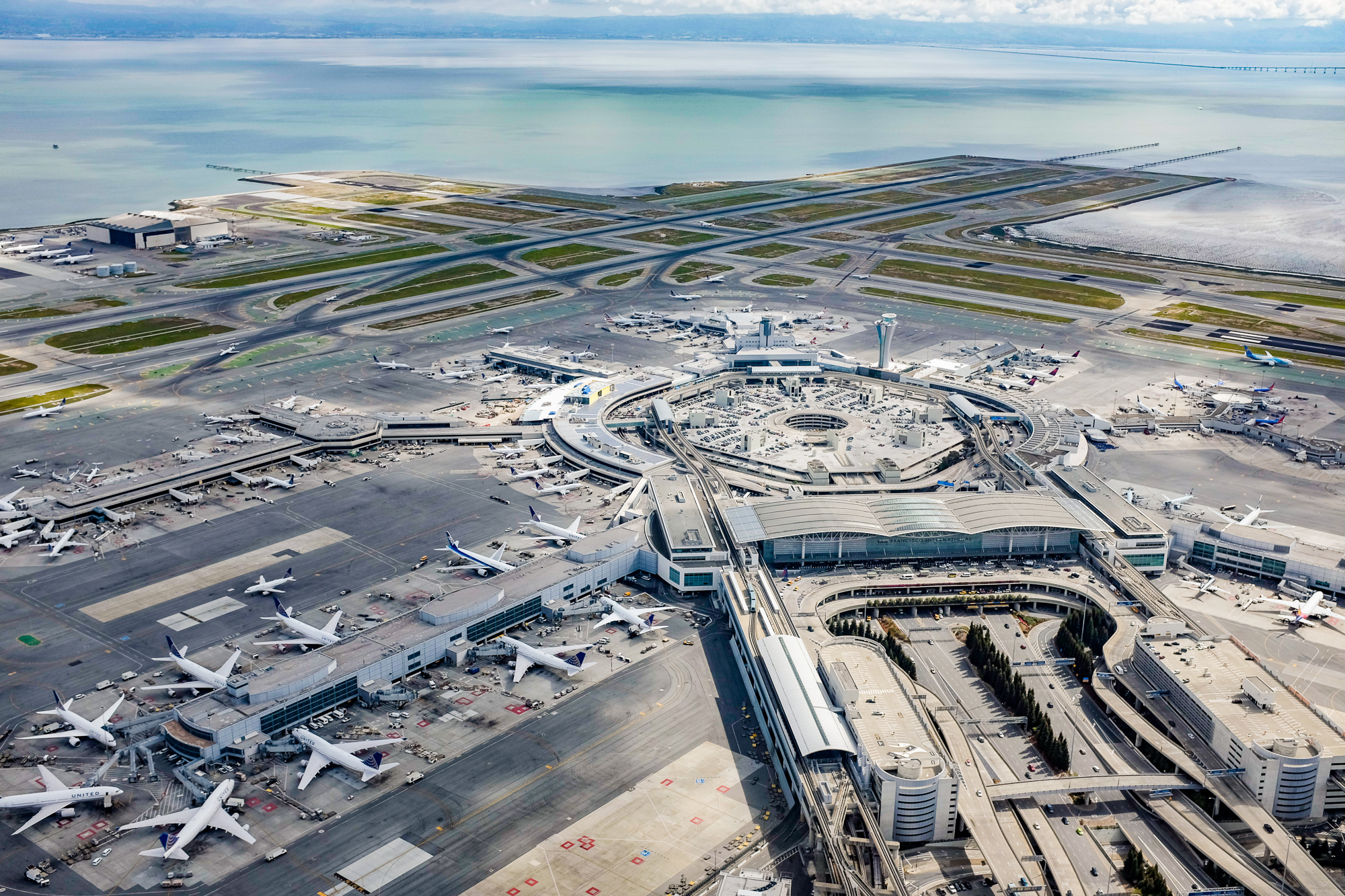
Say what you will about San Francisco — the budget deficits, the bureaucratic bloat, the $5 toast — but this city is still absolutely stunning when you catch it from the right angle.
A recent hotel room snapshot making the rounds captures something that spreadsheets and supervisors' meetings never will: the sheer, ridiculous beauty of this seven-by-seven-mile peninsula. The skyline, the light, the way fog rolls through the gaps between buildings like it owns the place (it does). It's a reminder that for all the policy failures we chronicle here, the physical city itself remains one of the most photogenic places on Earth.
And here's the thing — that view is an asset. A real, tangible, economic asset. Tourism is one of San Francisco's major revenue drivers, and every jaw-dropping cityscape photo shared online is free marketing that no convention bureau could buy. Visitors come here, spend money, fill hotel rooms, and ride transit. The city doesn't have to do anything except not screw it up.
Which, of course, is easier said than done.
One local summed up the pull of SF perfectly when advising a visitor debating whether to stay in the suburbs: "There's nothing to do in Santa Clara outside of Levi's. You would essentially be spending three days in an expensive suburb." Hard to argue with that. Another resident offered the kind of wisdom that should be in every newcomer's welcome packet: "SF rewards extraverts and folks who have tribes. Find a bar and make it your regular."
That's the real San Francisco — not just the postcard view from a hotel window, but the neighborhood bars, the CalTrain regulars heading to a game, the gym classes that turn into friendships. The beauty gets people here. The community is what keeps them.
Our ask is simple: City Hall, protect the asset. Keep the streets clean, keep transit running, keep small businesses alive. The skyline does the selling. Your job is to not drive the customers away.
The Discussion
Loading…