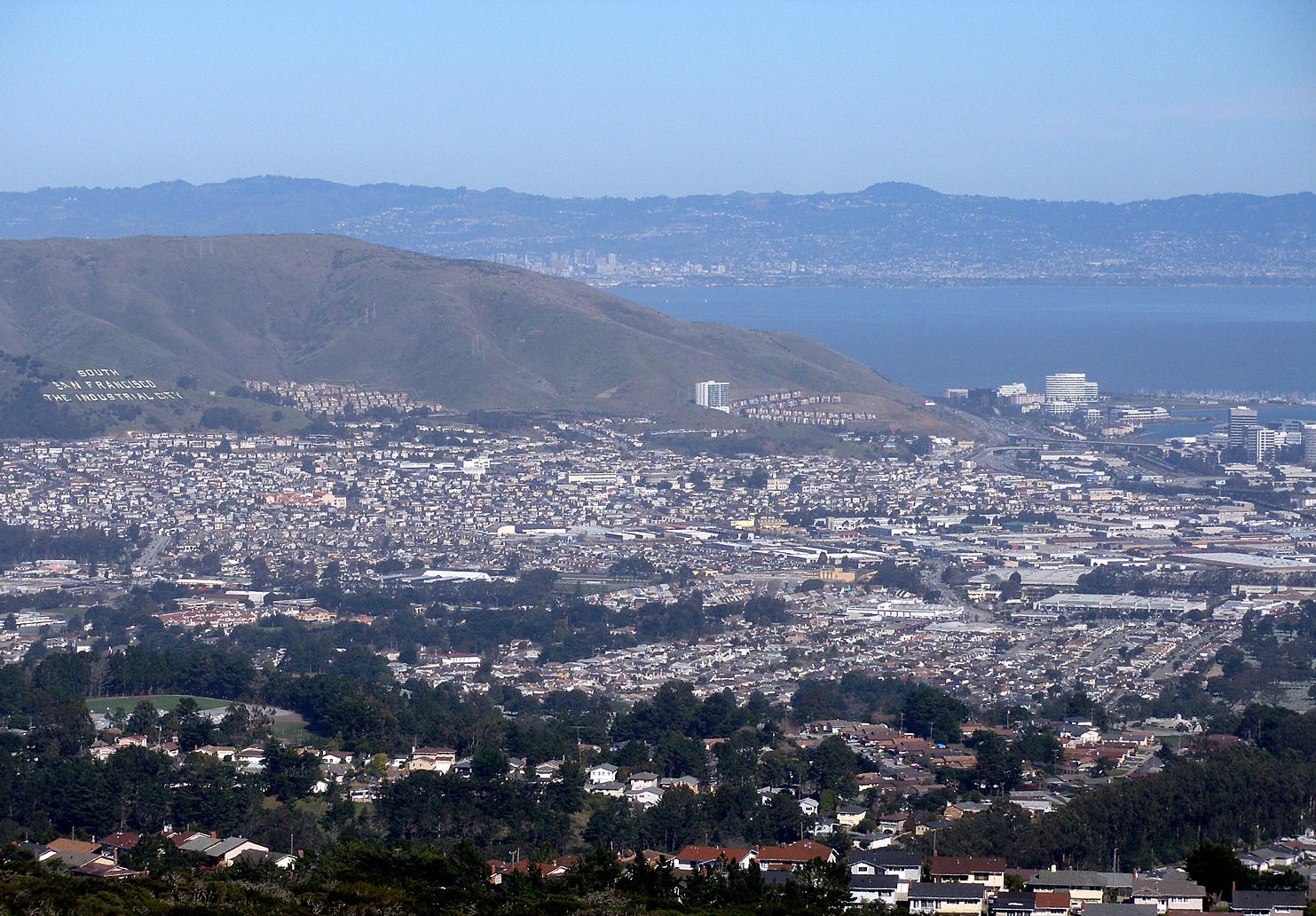
If you haven't seen the "warming stripes" visualizations for San Francisco and the broader Bay Area, they're worth a look. Each stripe represents a year's average temperature — blue for cooler, red for warmer. The left side of the graphic looks like a winter sweater. The right side looks like it's on fire.
The data is straightforward: San Francisco is measurably warmer than it was a century ago, and the trend is accelerating. This isn't some abstract projection about 2100 — it's historical data showing what's already happened.
As one SF resident put it: "I remember reading somewhere that San Francisco weather will be like LA weather by year 2060. I was thinking it'd be nice to have LA weather, but we'd still have a lot of extreme weather events like stronger winds, stronger atmospheric rivers, longer Tule fog, long periods of droughts. We're ruining our planet."
Here's where The Dissent's perspective might surprise you: being fiscally conservative doesn't mean ignoring thermometers. The warming trend is a material risk to property values, infrastructure, water supply, and insurance markets across the Bay Area. Pretending otherwise isn't conservative — it's reckless.
What is worth being skeptical about is how governments respond. Sacramento and City Hall have a long track record of using real problems to justify boondoggles that enrich consultants, expand bureaucracies, and produce negligible results. California has spent billions on climate programs while failing to manage its forests, maintain its grid, or build the water storage it desperately needs. That's not governance — that's performance art.
The fiscally responsible approach to rising temperatures isn't denial, and it isn't a blank check to agencies with zero accountability. It's demanding that every dollar spent on resilience actually buys resilience: upgraded infrastructure, smarter water management, streamlined permitting for wildfire-resistant construction, and energy policy that doesn't punish ratepayers for the privilege of keeping the lights on.
The stripes are getting redder. The question isn't whether to act — it's whether we'll demand that action be effective, efficient, and honest. Based on this city's track record, that might be the hardest problem of all.
The Discussion
Loading…