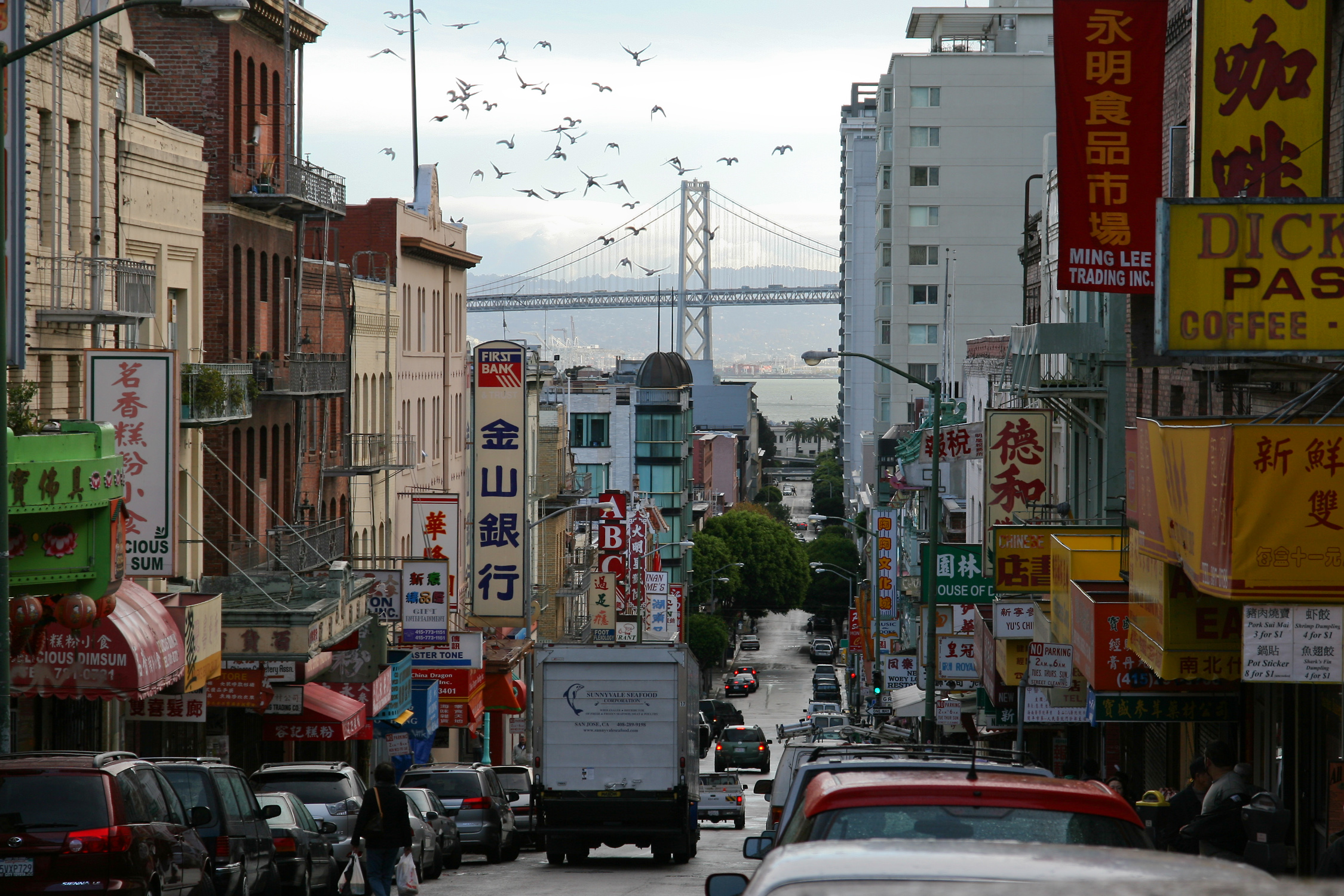
There's a reason San Francisco has been one of the most photographed cities in America for over a century. The fog rolling through the Golden Gate, the sharp geometry of Victorian rooflines, the way light hits the hills at dusk — this city was practically built for the camera.
But strip away the color, and something interesting happens. San Francisco in black and white isn't just aesthetically striking — it's honest.
Black and white photography has a long tradition here, from Ansel Adams capturing the Marin Headlands to the gritty street photography of the Beat era. There's a timelessness to monochrome images of the city that color sometimes undermines. You don't see the bright blue tarps. You don't see the neon glow of empty storefronts. You see structure — the bones of a city that, love it or hate it, has extraordinary architecture, dramatic topography, and a character that most American cities would kill for.
One local photographer put it well: shooting San Francisco in black and white forces you to see what's actually there — the contrast between shadow and light, wealth and neglect, ambition and decay. It's the city reduced to its essentials.
And maybe that's a useful exercise for all of us, not just photographers. Strip away the political color-coding, the tribal narratives, the performative outrage, and ask: what's the actual picture here? A city with world-class bones that's been mismanaged for decades. A place where the infrastructure, the streetscapes, the public spaces could be extraordinary — if the people running things would stop treating the budget like a suggestion box and start treating it like a responsibility.
San Francisco in black and white reminds you what this city is underneath it all. The question is whether we'll ever let it live up to the photograph.
The Discussion
Loading…