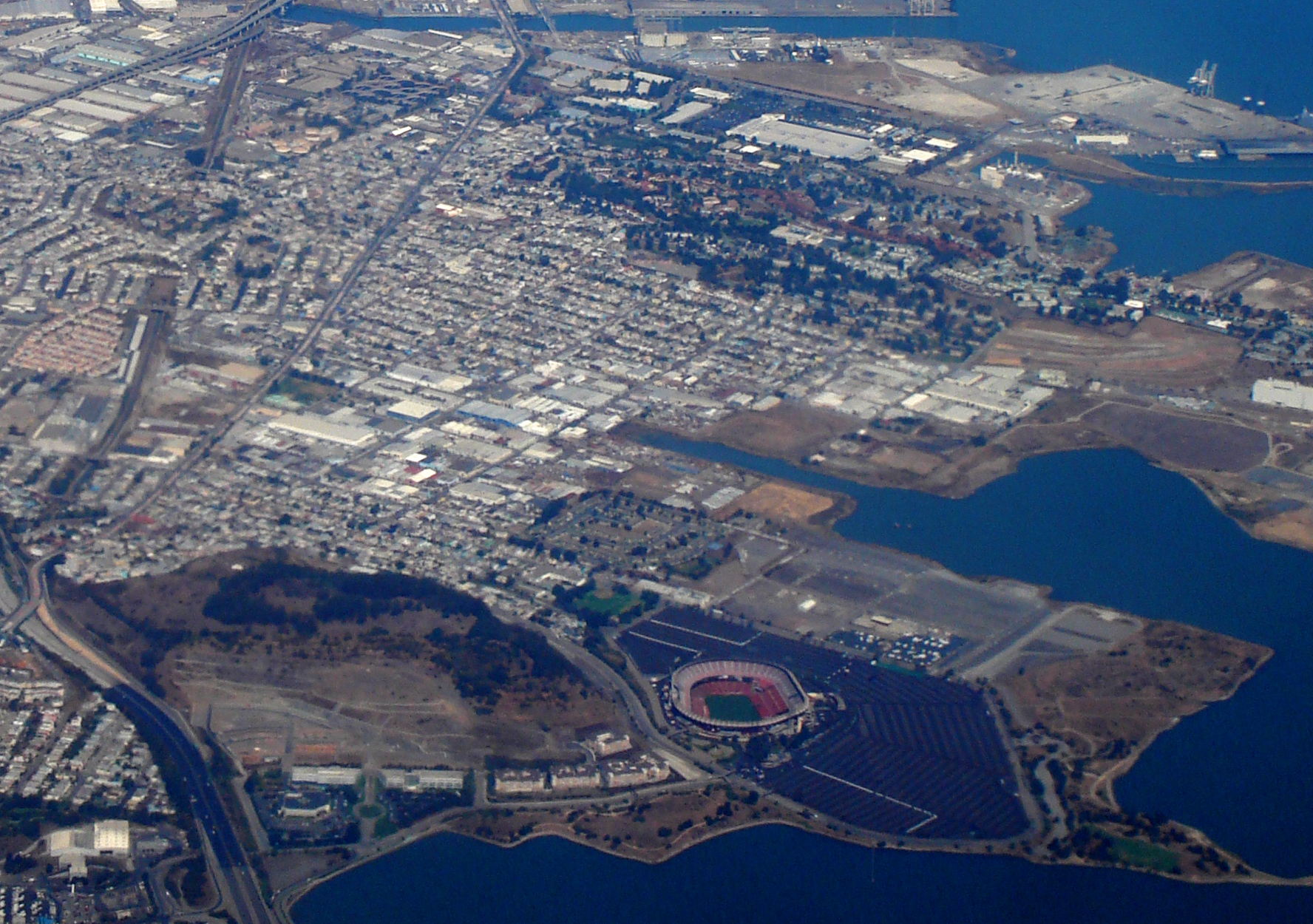
If you had to photograph SoMa in a single frame, what would you shoot?
It's a deceptively hard question. SoMa — South of Market, for the uninitiated — is one of the most visually contradictory neighborhoods in a city full of contradictions. Within a ten-block radius you've got gleaming tech campuses, decades-old leather bars, freeway underpasses tagged with murals, converted warehouses now charging $18 for cocktails, and encampments that the city keeps shuffling from block to block without any real plan.
That tension is SoMa. It's not pretty in the Instagram sense, but it's honest in a way a lot of San Francisco has stopped being.
The old neon signs still clinging to Folsom Street storefronts. The shadow of the Bay Bridge caught between two glass towers. The loading docks that used to move goods and now get used as film sets. The Caltrain tracks that remind you this neighborhood was always meant to move people through, not linger in.
There's something worth preserving in all of that — not in the freeze-it-in-amber, no-new-construction sense that NIMBYs love, but in the document-it-while-it-exists sense. SoMa has been changing faster than the city can process, and not always for the better. Redevelopment dollars flow in, longtime small businesses and residents flow out, and what's left is a neighborhood that sometimes feels like it's being curated for someone who doesn't actually live here.
Photography can't stop that. But it can hold up a mirror.
So what symbols actually represent SoMa? Probably not the ones on any official city tourism brochure. More likely, it's the stuff that's still there precisely because nobody bothered to monetize it yet.
Shoot it now. Because in this city, "not yet" has a very short shelf life.
The Discussion
Loading…