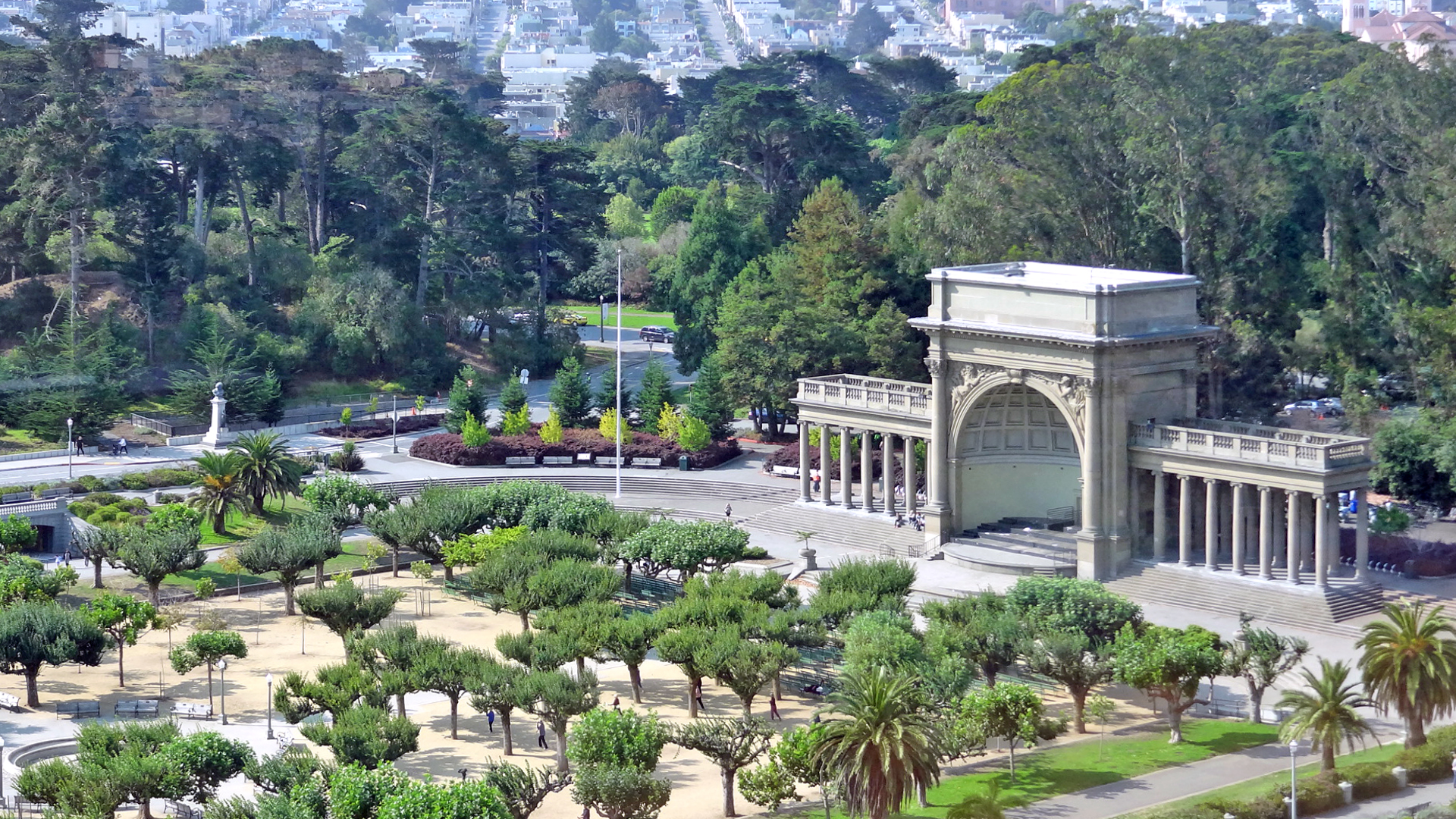
In a city where a mediocre latte costs $7 and a one-bedroom apartment costs your entire paycheck, the Japanese Tea Garden in Golden Gate Park remains one of the most absurdly underpriced experiences San Francisco has to offer.
Let's talk about what you're actually getting. The oldest public Japanese garden in the United States — built in 1894 for the California Midwinter International Exposition and lovingly maintained for 130 years — sits on five acres of meticulously sculpted landscape in the middle of a public park. Pagodas, koi ponds, a stunning drum bridge, centuries-old bonsai, and a tea house where you can sit and briefly forget that your city government just spent $1.7 million on a single public toilet.
General admission is $15 for non-resident adults, but here's the move: SF residents get in free before 10 a.m. on Mondays, Wednesdays, and Fridays. That's right — the city actually does something fiscally friendly for the people who live here. Mark your calendars.
Golden Gate Park, more broadly, is the kind of civic investment that actually pays dividends. As one local put it, "The fact that there are so many answers for such a small sized city makes me love this place even more" — referring to the sheer density of natural escapes packed into San Francisco's 47 square miles. Another SF resident pointed out that the nearby Botanical Garden is free year-round for city residents, making the western half of the park essentially a world-class nature experience at zero cost to taxpayers who already foot the bill.
This is what good public infrastructure looks like. No bloated bureaucracy, no $400,000 feasibility study — just a beautiful garden that's been operating for over a century because someone had the sense to build it and the discipline to maintain it.
If you haven't been in a while, go. Early morning is best — fewer crowds, free entry, and a quiet reminder that not everything in this city is broken.
The Discussion
Sign in to join the discussion.
Loading…