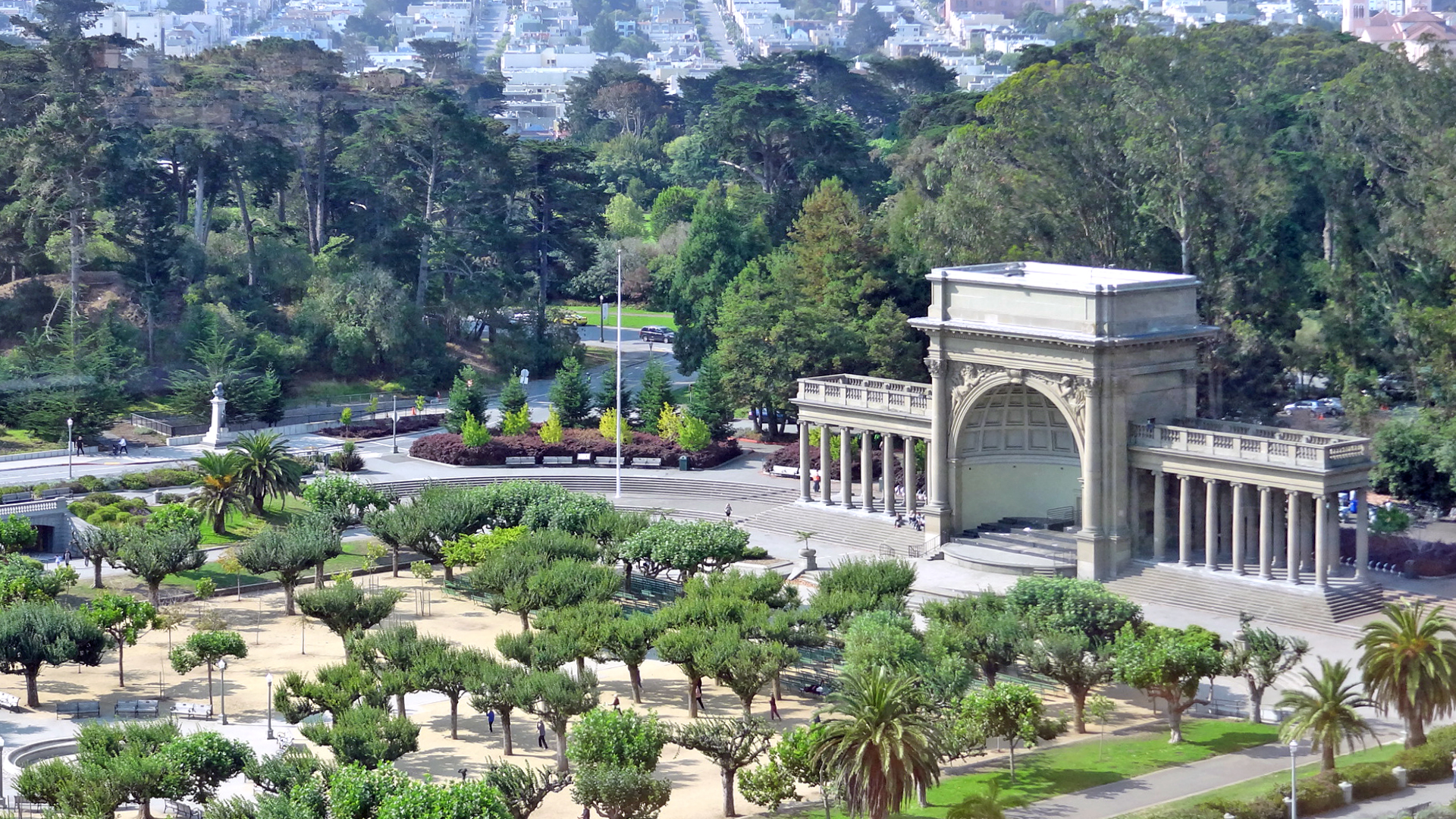
Here's something that costs the city exactly zero dollars and delivers genuine wonder: bird nests in Golden Gate Park are functioning as miniature botanical archives, preserving snapshots of the park's plant life in tightly woven bundles of twigs, grasses, moss, and other organic material.
Think about that for a second. While San Francisco dumps millions into consultants, committees, and projects that never seem to finish, birds are out here doing free ecological research. Every nest is a record — a tiny catalog of what's growing where, assembled by creatures who don't require a pension or a six-figure salary.
The nests act as time capsules because the materials birds select reflect the specific plant species available in their immediate environment at the time of construction. Researchers can examine abandoned nests and piece together which plants were thriving, which were declining, and how the park's ecosystems have shifted over time. It's citizen science, except the citizens have wings and zero interest in grant funding.
This is one of those stories that reminds you why Golden Gate Park is San Francisco's greatest public asset — and one that, mercifully, mostly takes care of itself. As one local put it, "The Botanical Garden in GG Park is just the thing, and it's free for SF residents." That's a rare sentence in this city: free for SF residents. Savor it.
Another resident captured the broader sentiment well: "The fact that there are so many answers for such a small sized city makes me love this place even more." Fair point. Between Mt. Sutro's jungle-like canopy, McLaren Park's Philosophers Way, and now bird-nest botany in Golden Gate Park, San Francisco packs an absurd amount of natural richness into 47 square miles.
The lesson here is simple and, frankly, a little humbling. Nature doesn't need a task force. It doesn't need a budget cycle. It just needs to be left reasonably alone. Golden Gate Park works because generations of San Franciscans have largely resisted the urge to over-engineer it into oblivion.
Maybe City Hall could take notes. The birds seem to have things figured out.
The Discussion
Sign in to join the discussion.
Loading…