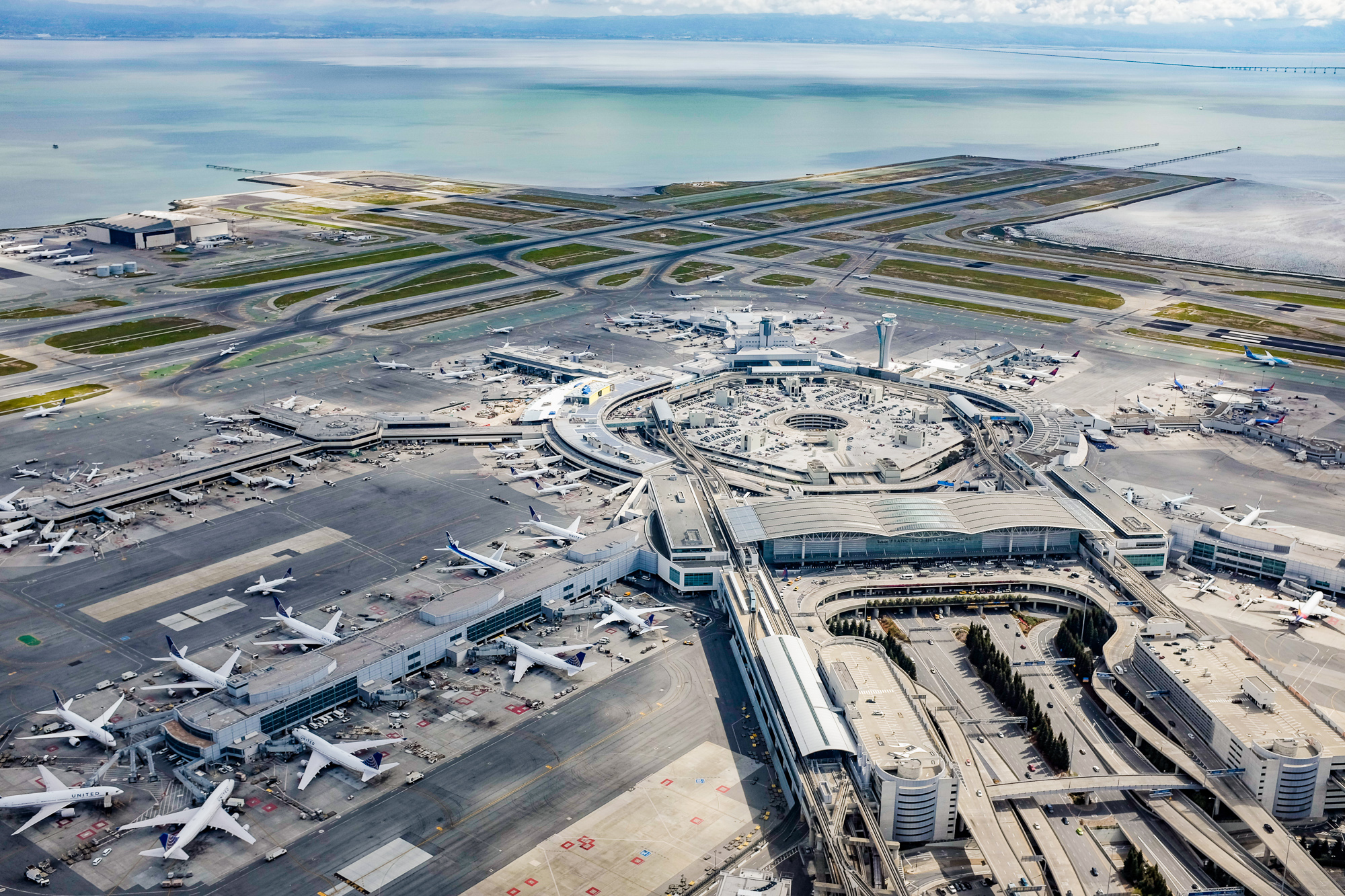
SFO is genuinely one of the best airports in the country. It's clean, well-laid-out, staffed by people who seem to actually care, and it even uses a private TSA contractor — meaning it dodged the federal funding chaos that plagued other airports earlier this year. As one frequent flyer put it, "SFO really does have their act together compared to most airports. The layout makes sense and you don't feel like you're walking through a maze just to find your gate."
So naturally, the federal government found a way to make it worse.
On March 31, the FAA's ban on simultaneous parallel approaches at SFO went into effect, and the results are already painful. Travelers are reporting something virtually unheard of at SFO: ground holds and departure delays not because of fog, not because of mechanical issues, but because air traffic control literally can't get them a runway. One traveler with over 200 flights into SFO said they'd never experienced an ATC-imposed delay for runway availability — until now.
Here's the kicker: the parallel approach procedure that was banned has never caused an accident at SFO. Not once. The FAA decided to eliminate it anyway, slashing the airport's landing capacity in one stroke. And the timing couldn't be worse — Runway 1R is closed for a six-month repaving project through October, and 1L is being repurposed as a taxiway. That means all arrivals and departures are funneling through a single pair of runways. As one local noted, "There's a decent chance it was politically motivated, so it's plausible it could get reversed but unlikely to happen anytime soon."
Great. So we have a world-class airport being kneecapped by a federal agency solving a problem that didn't exist, during a construction window that maximizes the pain. This is regulatory malpractice.
The city and airport authority need to be pushing the FAA hard on a reversal — or at minimum, a temporary exemption during runway construction. SFO didn't earn its reputation by accident. The FAA shouldn't be allowed to wreck it with one pointless rule change. If you're flying this summer, budget an extra couple hours. And maybe write your congressman from the tarmac.
The Discussion
Sign in to join the discussion.
Loading…