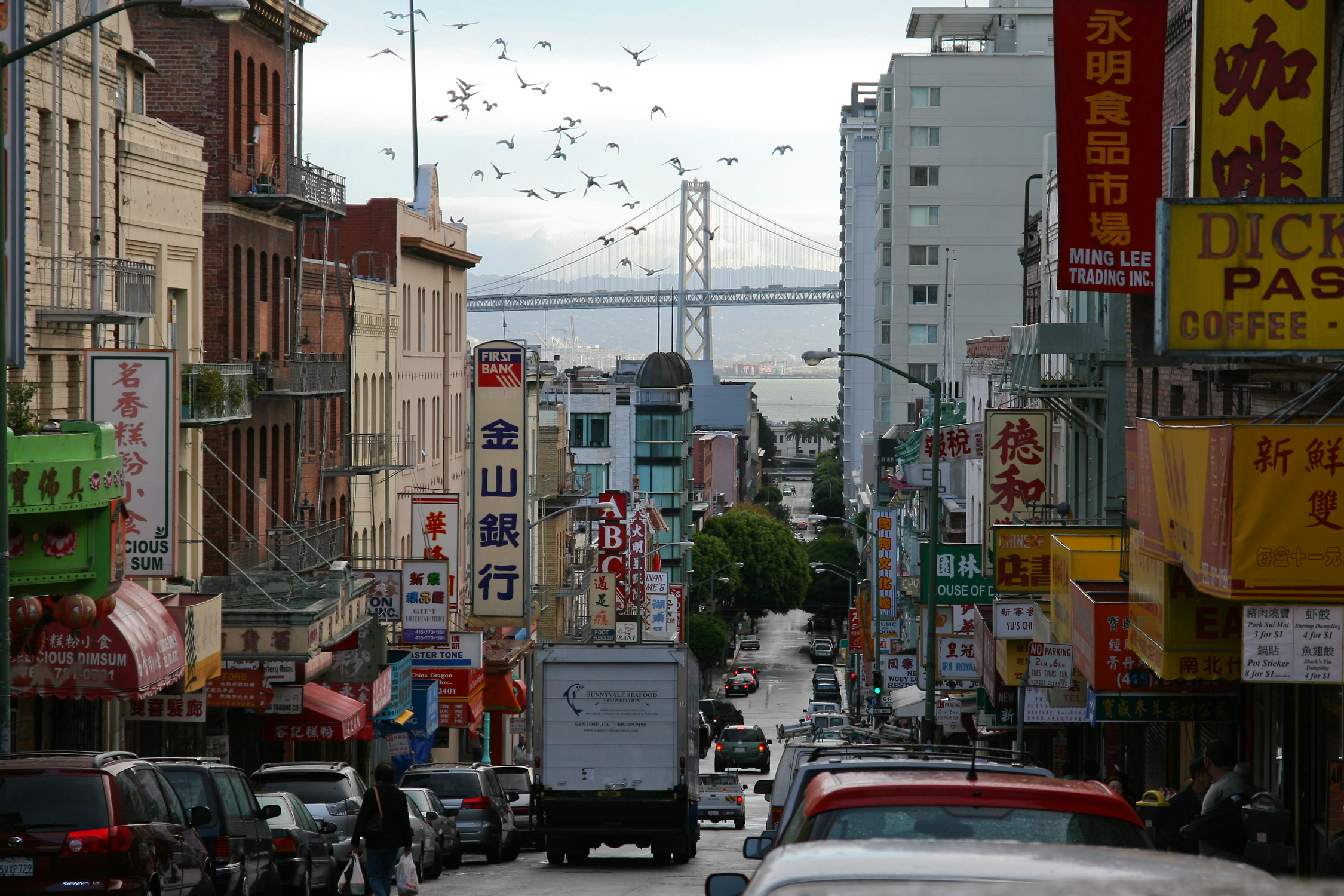
The Empress of China building — that iconic pagoda-topped tower at 838 Grant Avenue — has finally been sold, with new owners promising a transformation for the long-dormant Chinatown landmark.
Good. It's about time.
For those who haven't followed this saga, the Empress of China restaurant closed back in 2014 after a legendary 48-year run. What followed wasn't renewal — it was a decade of stagnation, fueled by a protracted dispute between the building's owner and the surrounding community over what should become of one of Chinatown's most recognizable structures.
Let's be blunt: ten years of a prime commercial building sitting essentially frozen in one of San Francisco's most storied neighborhoods is an indictment of how this city handles development disputes. While the specifics of the conflict are layered, the outcome is simple math — a decade of lost economic activity, lost jobs, and lost vitality for a neighborhood that didn't need another empty building dragging it down.
Chinatown has faced enormous challenges in recent years. The pandemic gutted foot traffic. Anti-Asian hate crimes spiked. Small businesses closed permanently. Against that backdrop, having a landmark property locked in limbo wasn't just frustrating — it was actively harmful to the community's recovery.
Now, with new ownership and promises of transformation, there's genuine reason for cautious optimism. Chinatown deserves investment and energy, and revitalizing the Empress tower could be a catalyst.
But here's the thing San Francisco needs to internalize: we cannot keep losing entire decades to disputes, permitting nightmares, and bureaucratic paralysis. Every month a building sits unused is a month of economic opportunity evaporating. Property rights matter. Community input matters. But so does the basic principle that cities need to move.
Welcome to the Empress' next chapter. Let's hope it doesn't take another ten years to turn the page.
The Discussion
Sign in to join the discussion.
Loading…