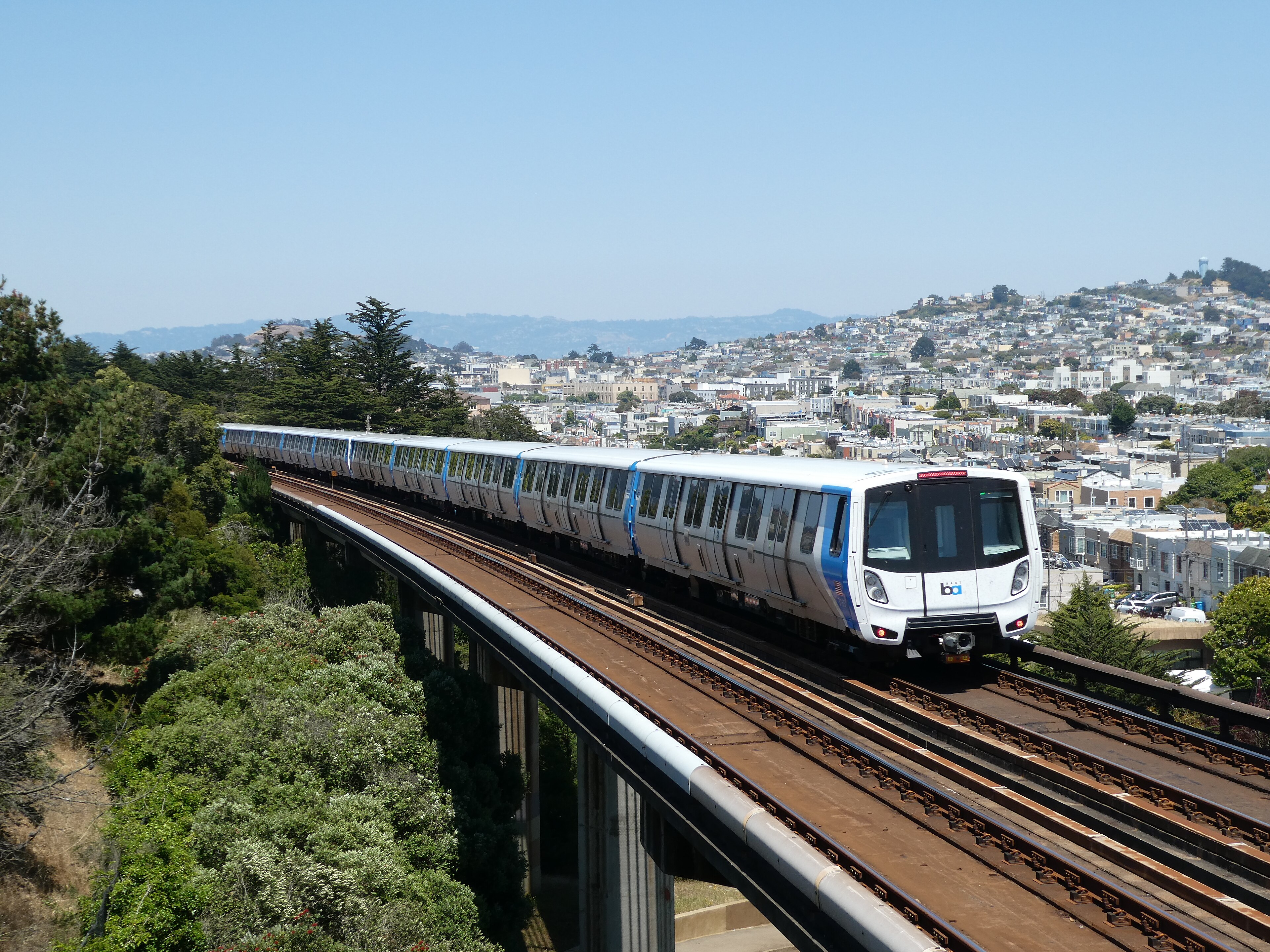
Here's something you don't hear every day: Bay Area transit is winning. Muni Metro and BART are now the fastest-growing major rail systems in the entire country. Ridership is climbing, people are getting back on trains, and for once, San Francisco has a genuine bright spot in its public infrastructure story.
So let's celebrate for exactly one paragraph before we talk about the elephant on the train.
Fare evasion remains a massive, unaddressed drain on the very systems experiencing this growth. More riders should mean more revenue — but only if those riders are actually paying. As one SF resident put it bluntly: "None of my wife's coworkers pay when they ride to work. They all make mid six figures. 'I already pay enough taxes.'" That's not a poverty problem. That's a culture problem.
Another local noted the contrast with actual world-class systems: "People in here seemingly have never been to world class transit cities like Tokyo and London. People are visibly paying their fare all the time in those places." Exactly right. We love to compare ourselves to Tokyo and Paris when it's convenient — and then shrug at basic accountability when it's not.
The growth numbers are legitimately encouraging. They suggest people want to use public transit. The pandemic exodus narrative is fading. Commuters are coming back, and the Bay Area's rail infrastructure is positioned to be a real asset — if the agencies manage it responsibly.
But "manage it responsibly" is doing a lot of heavy lifting in that sentence. Revenue from fares isn't a nice-to-have; it's the financial backbone that funds maintenance, expansion, and safety improvements. Every unpaid fare is a tiny subsidy from the people who do pay to the people who don't — and increasingly, those freeloaders aren't down on their luck. They're pulling six figures and rationalizing theft as a tax protest.
BART and Muni should take a victory lap on the ridership numbers. Then they should install proper fare gates, enforce payment consistently, and prove that a growing system can also be a solvent one. Growth without revenue is just a more crowded way to go broke.
The Discussion
Sign in to join the discussion.
Loading…